


Rabat – Professional careers in communication rarely follow a rigid trajectory. They often develop through a series of environments, sectors, and experiences that gradually refine a professional outlook.
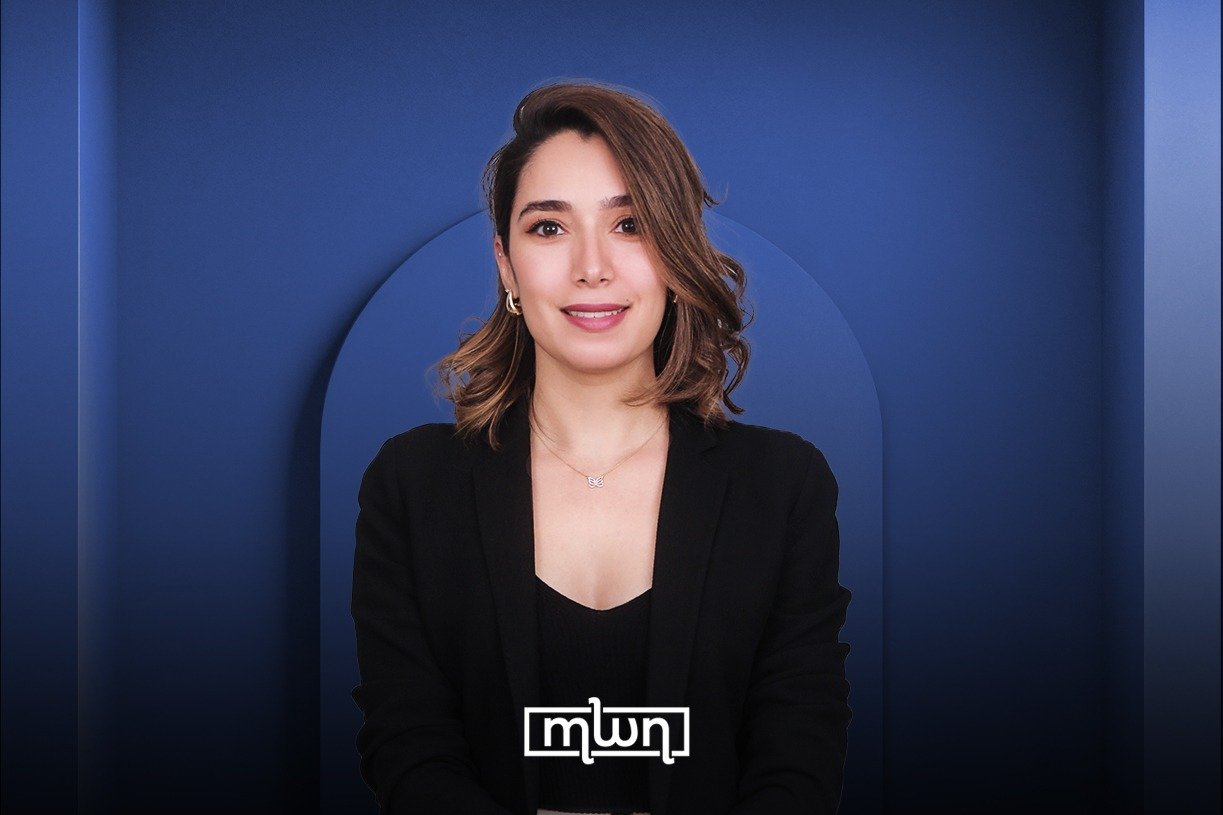
The path of Loujaine Touil, a Moroccan digital expert and marketing and communications manager, reflects such a progression. Over the years, she has moved from agency-based communication and work with major brands to a position within the technology sector, where communication intersects with corporate strategy and digital transformation.
Today, Touil serves as marketing and communications manager at EXIA Technologies. Her role places her within a field where communication accompanies complex technological projects and supports organizations as they adapt to digital change.
Early career in agency communication
Touil began her career in communication agencies, environments known for their fast pace and their exposure to diverse industries. These early years allowed her to develop what she describes as a broad and structured understanding of the profession.
Her work covered several aspects of communication practice, from strategic planning and campaign management to project coordination and digital communication initiatives. Through these experiences, she developed an approach that integrates multiple dimensions of the field.
“Strategy, campaign management, project coordination, and the management of digital initiatives,” she explains, formed the foundation of her early professional years. These responsibilities allowed her to develop “a 360-degree approach to communication.”
This comprehensive perspective enabled her to approach communication as a combination of creative thinking, strategy, and performance measurement. Each campaign or project required coordination between these elements in order to meet the expectations of both brands and audiences.
Work with major national and international brands
Throughout her agency work, Touil collaborated with a range of large national and international companies across different sectors. These collaborations exposed her to communication challenges that extended beyond simple brand promotion.
Among the brands she worked with are BMW and MINI, as well as global automotive companies such as Hyundai and Kia.
Her portfolio also includes several Moroccan companies and institutions, including RMA, Africa Morocco Link, Crédit du Maroc, Maroc Telecom, and CTM.
These assignments required communication strategies that addressed tangible challenges. Brands often sought visibility, reputation management, and support for business growth through targeted campaigns.
In such contexts, Touil gradually placed digital tools at the center of her approach. Data analysis, digital platforms, and performance tracking became essential elements that allowed communication strategies to deliver measurable impact.
From consumer brands to technological environments
Over time, Touil’s career evolved toward sectors where communication plays a more structural role within organizations. After working primarily in business-to-consumer environments, she moved toward a business-to-business context within the technology sector.
This transition marked a significant shift in the nature of communication. In consumer markets, campaigns often revolve around brand perception and audience engagement. Within technology, communication also serves to explain complex solutions and support companies as they navigate transformation.
“In these environments, communication no longer consists only of promoting a brand,” Touil explains. “It also involves structuring a vision, making technological solutions accessible, and supporting organizations as they evolve.”
The role therefore requires an ability to translate technical expertise into accessible narratives while maintaining alignment with broader corporate strategies.
Communication at the center of digital transformation
Touil now carries out this work at EXIA Technologies, a company involved in digital transformation and operational performance projects.
The group draws on more than three decades of experience and works with both public institutions and private organizations. Its projects often revolve around digitalization initiatives, the optimization of operational processes, and the integration of technological solutions that aim to improve efficiency and performance.
EXIA Technologies also maintains partnerships across several international markets, including France, the United States, Dubai, and China. These connections place the company within a broader global technology ecosystem and expand the scope of the projects it supports.
Within this environment, communication must accompany highly specialized activities while also ensuring that organizations and partners clearly understand the technological solutions involved.
Building credibility in demanding sectors
Working in the technology sector requires the ability to navigate complex environments where strategic and technical stakes intersect. Touil notes that credibility in such settings develops over time through consistent work and tangible results.
“In these environments, particularly in the technology sector, which remains largely male-dominated, credibility cannot simply be claimed,” she says. “It is built through the projects you lead, the responsibilities you assume, and the results you deliver.”
For Touil, competence and a strong understanding of the issues at stake remain essential. Communication, in this context, must rely on a clear grasp of business objectives and the transformations that shape different industries.
This progression has allowed her to move toward a more strategic form of communication, grounded in the realities of corporate development and digital change.
A message on professional confidence and solidarity
On the occasion of International Women’s Day, Touil shared a message directed toward women pursuing their professional paths.
“Do not wait for a place to be given to you. Dare to take your place, propose your ideas, and share your vision. It can make a difference.”
She also pointed to the importance of solidarity among women in professional environments.
“And above all, let us learn to support and encourage one another as women, because it is also through this solidarity that the strongest career paths are built.”
Her words reflect a broader reality about professional development. Careers rarely follow a single predetermined route. Instead, they emerge through a succession of experiences that shape skills, perspectives, and ambitions.
For Touil, curiosity, adaptability, and a willingness to continue learning remain central elements in building a lasting professional path.
