


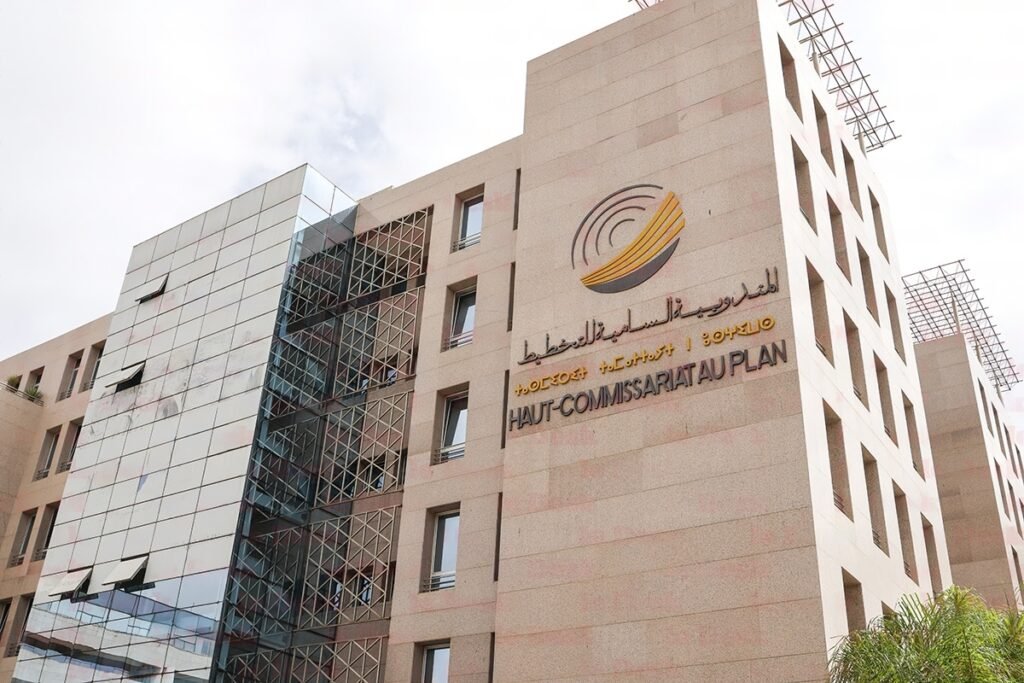
Agadir – The High Commission for Planning (HCP) recent report showed that Morocco’s labor market recorded mixed developments in 2025. Morocco’s unemployment rate remained high at around 13% even though job creation picked up again in 2025.
Morocco’s economy generated about 193,000 new jobs between 2024 and 2025. However, this only reduced the number of unemployed people by roughly 17,000, leaving about 1.62 million people without jobs. As a result, unemployment declined only slightly, from 13.3% to 13%, while underemployment rose to 10.9%.
The report highlighted that job creation in 2025 was significantly higher than in 2024, rising from 82,000 to 193,000 positions. Most new jobs were created in urban areas (+203,000), while rural areas lost about 10,000 jobs.
The unemployment remained particularly high among youth between 15-24 years which increased from 36.7% to 37.2%, graduates decreased slightly from 19.6% to 19.1%, and women increased from 19.4% to 20.5%.
Gender disparities in Morocco’s labor market continued to present a large social barrier in 2025. While the male employment rate increased slightly to 61.1%, female participation declined marginally to 15.1%, highlighting the ongoing challenges women face in accessing formal employment opportunities.
Long-term unemployment also worsened. The share of unemployed people jobless for over one year rose from 62.4% to 64.8%, and the average unemployment duration increased from 31 to 33 months.
Despite 200,000 jobs created, structural unemployment remains difficult to reduce. The employment rate increased marginally from 37.7% to 37.8%, but still remains below the levels above 40% recorded before the COVID-19 pandemic.
The National Employment Survey reveals that many unemployed people lost jobs after finishing education or training, while others became unemployed due to layoffs or business closures. Nearly half of unemployed individuals had previously worked, most of them in urban areas, and a majority were men and young people.
Regionally, unemployment and labor force distribution are concentrated in a few major regions, particularly Casablanca-Settat (22.6%), followed by Rabat-Salé-Kénitra (13.4%), Marrakech-Safi (12.9%), Fès-Meknès (11.9%)), and Tangier-Tetouan-Al Hoceima (11.6%).