


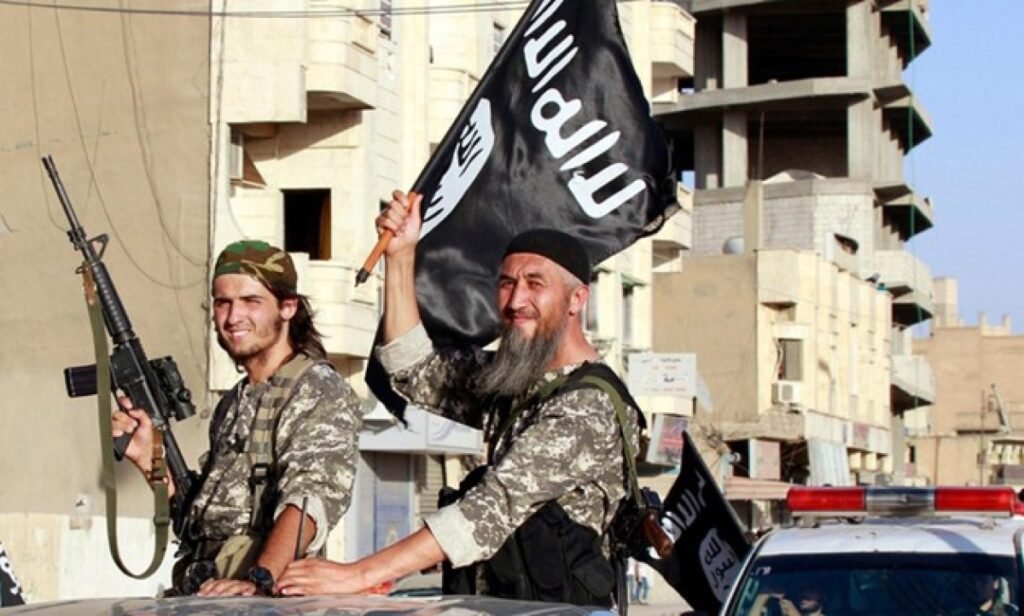
Rabat – Syria has confirmed “mass escapes” from al-Hol after a haphazard transfer of control from the Kurdish-led Syrian Democratic Forces (SDF) on January 20.
Noureddine al-Baba, the spokesman for Syria’s Ministry of Interior, told reporters in Damascus on Wednesday that Syrian forces had discovered more than 138 breaches in the camp’s 17km perimeter wall.
Located in northern Syria, Al-Hol was the largest camp holding relatives of suspected ISIL fighters for nearly seven years. Most residents were women, children, and elderly people who were not technically prisoners as most had not been accused of crimes.
The SDF claims that the camp held more than 23,000 people before the withdrawal. Syrian authorities dispute this number and claim the SDF inflated the count to garner more international support.
Al-Baba told reporters that 6,500 people were in the camp. Though mostly Syrians and Iraqis, 44 other nationalities were also there as thousands of foreigners joined or married ISIS members at the height of its rampage across Iraq and Syria.
The government said that they’ve managed to recapture most of those that escaped and transferred them to the Akhtarin camp in Aleppo province.
Only 1,100 families have been confirmed at the new camp, still leaving at least 5,000 people unaccounted for. Some likely fled to apartments fundraised on social media, while others are believed to be smuggled out through pre-existing networks.
These camps were a breeding ground for Islamic State ideology based on reporters’ accounts as well as social media posts from detained women indicating an eagerness to rejoin ISIL’s mission.
Since the mass escapes, authorities warn about threats that the women may pose to the public, while human rights groups are expressing concern about their own safety as they were taken from the camp by unknown men.
“When women and children leave in a chaotic, unplanned way, they often just become more vulnerable to trafficking, exploitation, or recruitment by armed groups. So the immediate priority should really be about identifying and protecting them,” a researcher at Human Rights Watch told Al Jazeera.
Conflicting narratives
The Syrian government placed the blame on the SDF, as the two groups work to merge their forces after a US-brokered ceasefire deal at the end of January.
“The SDF withdrew suddenly, without coordination and without informing the Syrian authorities or the international anti-ISIL coalition beforehand,” al-Baba said.
“When our forces arrived, they found cases of collective escapes due to the camp having been opened up in a haphazard manner,” he said.
The SDF countered this narrative and said in a statement that “the withdrawal of our forces was a direct result of the military attack … targeting the camp and its surroundings by forces affiliated with Damascus.”
The release of ISIL families “occurred after the entry of Damascus-affiliated factions (into the camp) and involved their direct participation,” it added.
Threats to new government
The still unclear escape of an indeterminable number of ISIL relatives comes as Syria’s new government under President Ahmed al-Sharaa faces increasing threats. According to a UN report, al-Sharaa and two of his cabinet ministers were targeted in ISIL assassination attempts five times in the last year alone.
Fighting between Syrian internal security forces and an opposition force linked to the fallen Bashar al-Assad regime also broke out Tuesday, indicating increasing threats to stabilization efforts for a country fresh out of more than a decade-long civil war.
Read also: US to Withdraw 1,000 Remaining Troops From Syria