


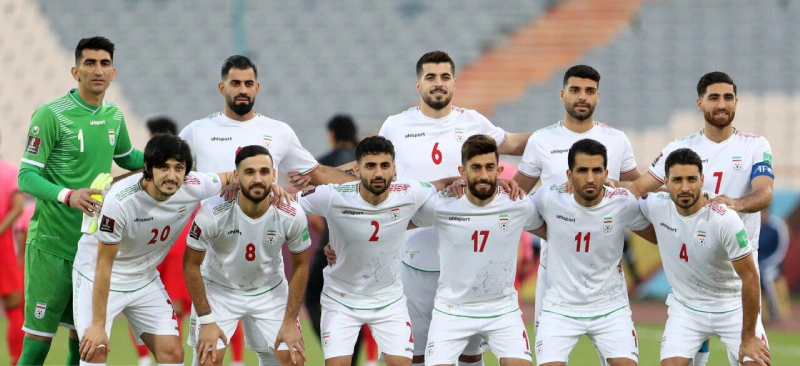
Rabat—Iran’s place in the 2026 FIFA World Cup, which is scheduled to be held in the United States, Canada and Mexico this summer, is now in serious doubt following recent geopolitical developments, according to comments from Mehdi Taj, president of the Iranian Football Federation (FFIRI).
Iran had already qualified for the tournament and was drawn into Group G alongside Belgium, New Zealand and Egypt, with matches planned in Los Angeles and Seattle.
Speaking on Iranian state television, Taj suggested that the escalation of military conflict and attack by the United States on Iranian territory has made preparing for the World Cup increasingly difficult. “With what happened today and with that attack by the United States, it is unlikely that we can look forward to the World Cup, but the sports chiefs are the ones who must decide on that,” he said, raising questions about whether Iran will ultimately take part in the tournament.
The president of Iran’s Football Federation, Mehdi Taj, delivered remarks on Iranian state television outlining the federation’s position on the military strikes against Iran by Israel and the United States. Taj said, “Given what happened today and this U.S. attack, it is… pic.twitter.com/PHD9zNm9w5
— China News 中国新闻网 (@Echinanews) March 1, 2026
The federation head also confirmed that Iran’s domestic league has been suspended until further notice, reflecting broader disruptions across the country amid ongoing tensions.
Despite Taj’s comments, no formal announcement has been made by the federation or FIFA confirming Iran’s withdrawal as of now. FIFA officials have said they are monitoring the situation closely but stressed it is too early to make definitive comments on Iran’s status for the 2026 World Cup.
Iran is currently due to play three group-stage matches on American soil, beginning with a match against New Zealand on June 15. If the team does withdraw, governing bodies would need to decide on possible replacements, with teams such as Iraq or the United Arab Emirates mentioned in reports as potential candidates to fill a vacant spot based on qualifying standings and playoff arrangements.
While Iran’s qualification remains valid on paper, recent statements indicate that football may take a backseat to broader national priorities as the situation continues to unfold.