


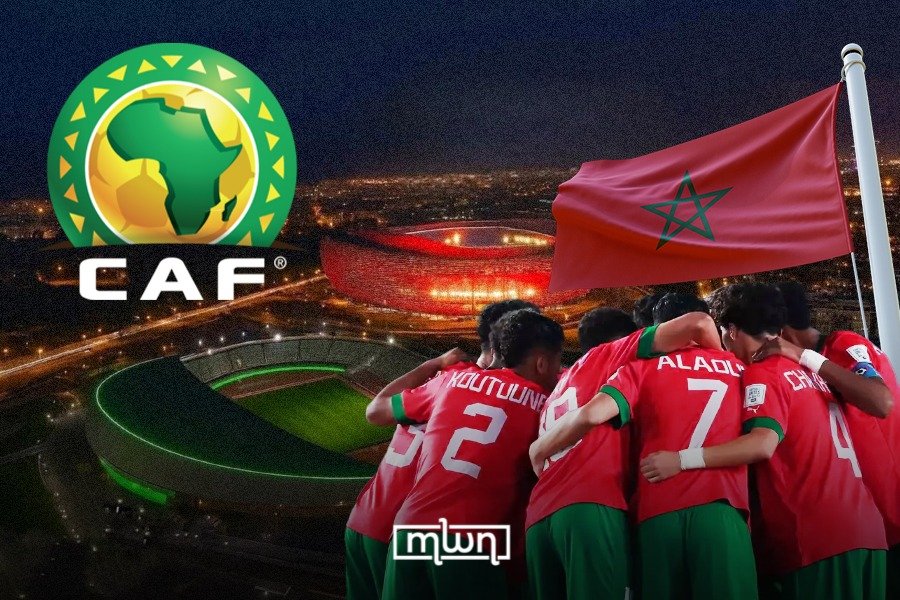
As Morocco solidifies its position as a primary catalyst for advancing African football, a concomitant rise in systemic hostility has begun to permeate the continental ecosystem. This is called the “resentment paradox” — whereby infrastructural and competitive excellence triggers a narrative backlash that compromises match-day psychology and administrative neutrality.
The Confederation of African Football (CAF) must move beyond passive governance and actively insulate the sport’s integrity from the corrosive effects of manufactured narrative pressure. Recent disciplinary trends suggest a transition from narrative hostility to institutional volatility, where administrative rulings appear increasingly calibrated to appease populist sentiment rather than uphold the statutory letter of the law. Failure to do so risks not only the marginalization of its most successful members but also the invitation of external intervention to preserve the global brand of the sport.
The Inflection Point of African Football
African football is currently navigating a watershed moment. The transition towards global competitiveness, underpinned by modernized infrastructure and professionalized pathways, represents a nascent “Golden Age”. However, this progress is being undermined by a deteriorating discursive climate.
Morocco, having positioned itself as a strategic vanguard through sustained, capital-intensive investment, now finds itself the target of an asymmetrical hostility. This phenomenon is not merely a byproduct of sporting rivalry; it is a systemic challenge that threatens the foundational principles of fairness and institutional stability within the continental game.
Morocco as a Catalyst: Infrastructural Stewardship and Soft Power
Morocco’s role within the African football landscape is characterized by what political scientists term “constructive soft power”. Its contributions are foundational rather than merely transactional in the following ways:
- Technocratic Excellence: The Mohammed VI Football Complex serves as a global benchmark for elite performance environments, raising the bar for the entire confederation.
- Infrastructural Reliability: Morocco’s consistent capacity to act as a “lender of last resort” for hosting CAF competitions ensures the continuity of the continental calendar in times of crisis.
- Pedagogical Outreach: The Kingdom’s academies facilitate a pan-African knowledge exchange, fostering talent and technical expertise far beyond its own borders.
These efforts have effectively elevated the “floor” of African football. However, this rapid professionalization has inadvertently generated a friction point with less modernized entities, leading to a climate where excellence is viewed with suspicion rather than as a blueprint for emulation.
The Anatomy of Discursive Hostility
The current climate is defined by a shift from healthy competition to “narrative contagion”. This hostility is characterized by:
- The Pathologization of Success: Framing Moroccan achievements as the result of institutional capture rather than meritocratic planning.
- Echo-Chamber Amplification: Digital and traditional media ecosystems that monetize resentment, creating a self-sustaining feedback loop of suspicion.
- The Normalization of Antagonism: A transition where hostile match-day environments are no longer aberrations but expected outcomes of a toxic pre-game discourse.
The Mechanics of Institutional Erosion: Officiating and Governance
Governance does not exist in a vacuum; it is susceptible to the “atmospheric pressure” of public sentiment. When a nation is subjected to sustained narrative scrutiny, several psychological and administrative distortions occur:
- Risk-Averse Officiating: Referees may experience a “cognitive load” that leads to compensatory decision-making—subconsciously avoiding correct calls for Morocco to escape the “bias” label.
- The Politicization of Neutrality: Routine administrative decisions are reframed through a conspiratorial lens, forcing governing bodies into defensive or artificially “balanced” postures.
- Atmospheric Coercion: The volatility of the stadium environment creates a high-stakes psychological theatre that pressures both players and officials to conform to the dominant narrative of the home crowd.
The recent disciplinary fallout from the AFCON 2025 serves as a stark case study in what might be termed the “culpability equivalence.” When institutional bodies impose heavy cumulative sanctions on a host nation for peripheral conduct in a manner that seemingly offsets the gravity of fundamental breaches by an opponent, the integrity of the judiciary is compromised. This “balancing” of responsibility is not a pursuit of justice, but an exercise in atmospheric management, designed to avoid the political cost of holding disruptive actors to the highest standard.
The Resentment Paradox: Excellence as a Target
Morocco currently faces the “burden of the pioneer”. In many ways, the nation is being penalised not for administrative malfeasance, but for the visible gap between its professionalized model and the lagging developmental curves of its peers. This creates a perverse incentive structure: it discourages other nations from pursuing similar high-capital, long-term investments if the “reward” for such excellence is institutional ostracization.
The Sovereignty of African Governance
It is a geopolitical truism that where regional governance falters, supranational oversight inevitably encroaches. The global footballing apparatus views the stability of its constituent members as a prerequisite for global market growth. Should a confederation prove unable to protect its most successful members from systemic hostility, the impetus for reform may inevitably shift towards external global authorities. For CAF to retain its mandate as a sovereign leader, it must demonstrate a capacity for self-regulation that meets these global expectations.
Institutional Disengagement
The current trajectory has reached a critical threshold. Within the Moroccan football intelligentsia, there is a burgeoning discourse regarding the viability of continued integration within current structures. This is not a threat of isolationism, but rather a reflection of a profound “justice deficit”.
This tension is no longer confined to the terraces. The unprecedented public admission of “injustice” by senior executive figures within the governing body indicates a burgeoning moral fracture within the administration itself. This internal dissonance, coupled with the recurring targeting of representative entities in continental fixtures, suggests that the “resentment paradox” has reached a critical threshold. It is no longer merely a media narrative; it has become a functional barrier to safe and equitable competition.
The Path Forward: Strategic Recommendations for CAF
To safeguard the future of the continental game, CAF must move from reactive management to proactive institutional protection:
- Insulating Officiants: Implementing independent, high-performance auditing of refereeing to shield officials from narrative-based criticism.
- Judicial Autonomy & The Principle of Proportionality: Disciplinary bodies must be insulated from the “theater of optics.” Rulings must strictly adhere to the lex sportiva, ensuring that sanctions are proportionate to the severity of the infraction and not used as a tool for perceived political parity.
- Implementing Media Accountability Protocols: Establishing robust guidelines to prevent the dissemination of unsubstantiated conspiratorial narratives that incite hostility.
- Transparency as a Shield: Clearly articulating the meritocratic basis for competition hosting and administrative appointments.
- Global Benchmarking: Periodically reviewing governance structures against the most advanced international standards to ensure long-term stability.
A Theater, Not a Gauntlet
The prosperity of African football is contingent upon a governance model that prioritizes stability, merit, and the protection of its members. Morocco’s success should be viewed as a “proof of concept” for the entire continent. Leadership must act decisively to decouple policy from the toxic narratives of the moment. The future of the African game depends on an environment where the most prepared are allowed to win, and where the continent’s immense talent is showcased in a theater of excellence, not a gauntlet of resentment. It is time for CAF to choose the path of professionalization.
