


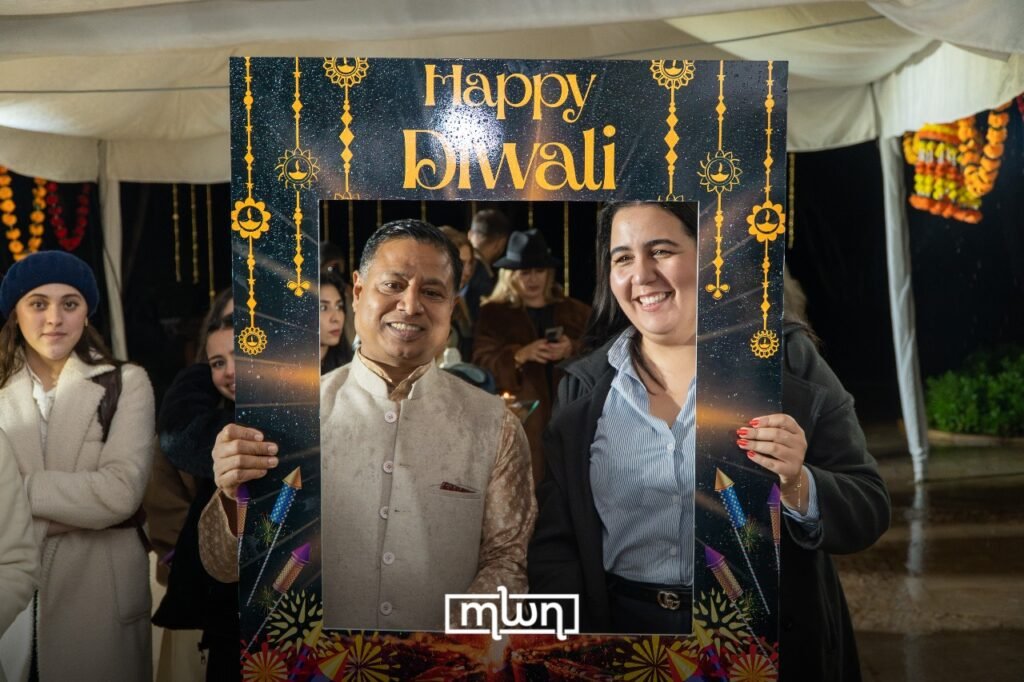
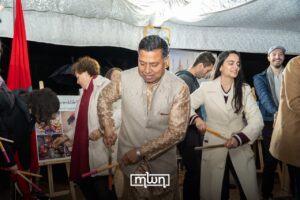
Marrakech – An effervescent celebration unfolded at Rabat’s Chellah Archaeological Site this evening, as India marked the inscription of Deepavali on UNESCO’s Representative List of the Intangible Cultural Heritage of Humanity.
Indian Ambassador to Morocco, Sanjay Rana, spoke with Morocco World News (MWN) during the cultural event. “I am very happy to be here today because we are celebrating twin success,” Rana said. The ambassador referred to both India’s achievement with Deepavali and Morocco’s parallel victory with the caftan inscription.
“Success of Moroccan caftan to be inscribed in the UNESCO list of Intangible Culture of Humanity and success of India for inscription of Festival of Lights, Deepavali, in the list of Intangible Culture of Humanity,” he told MWN. “It’s a big occasion for both India and Morocco.”
The ambassador viewed the simultaneous recognition as strengthening bilateral ties. “It is also something which brings us even closer,” Rana explained. “So together we are celebrating this important milestone for our cultural inclusion in the UNESCO list of Humanity.”
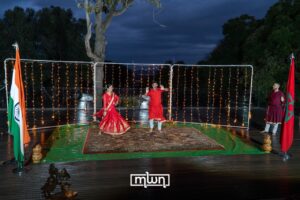
The evening program featured Indian music and dance performances from 6 p.m. to 7:30 p.m. The embassy organized the event in cooperation with Morocco’s Ministry of Culture and the Rabat Region Historical Heritage Company.

UNESCO announced the Deepavali inscription during the 20th UNESCO Intergovernmental Committee session at New Delhi’s Red Fort from December 8-13. Delegates from 194 Member States, international experts, and UNESCO representatives adopted the decision.
Deepavali, also called Diwali, is now the 16th Indian element on UNESCO’s Intangible Cultural Heritage List. The festival joins previous inscriptions, including Garba of Gujarat (2023), Durga Puja in Kolkata (2021), Kumbh Mela (2017), and Yoga (2016).
The Festival of Lights represents an annual living tradition celebrated across India. Families illuminate homes, streets, and temples with oil lamps on the New Moon night, creating golden glows that represent light overcoming darkness and righteousness triumphing over evil.
Evening celebrations feature spectacular firework displays across India and Hindu communities worldwide. Deepavali rituals involve cleaning homes, markets, and public spaces to promote hygiene and healthy lifestyles. Revelers exchange gifts and prepare traditional sweets.
The multi-day celebration brings families and friends together through elaborate rituals involving diyas and communal gatherings, enhancing social and emotional well-being.
Communities celebrate the tradition with devotion while artisans keep its practices alive through generations, making it one of India’s most profound religious and cultural observances.
Prime Minister Narendra Modi welcomed UNESCO’s recognition. He stated that Deepavali connects deeply to India’s culture and ethos, representing the soul of Indian civilization. The inscription serves as tribute to millions who celebrate the festival and the timeless principles it represents.
Morocco secured its own UNESCO victory the same day with the Moroccan caftan’s inscription on the heritage list. Algeria attempted to block Morocco’s candidature through amendments during committee proceedings but failed to prevent the recognition.
The dual celebration at Chellah strengthened cultural cooperation between India and Morocco. Morocco’s victory followed its election to UNESCO’s Executive Council for 2025-2029, where it secured first place in the Arab group with 146 votes.
Both countries now share the distinction of having traditional practices recognized as global intangible heritage. The simultaneous achievements created a unique diplomatic moment, celebrated at one of Rabat’s most historic archaeological sites.
Read also: Indian Embassy in Rabat Hosts Soulful Sufi Concert