


Agadir – Global electricity demand is expected to expand at roughly 3.5 – 3.6% annually over the second half of the decade, far outpacing growth in total energy demand, as electrification accelerates across industry, transport, cooling, and digital infrastructure, according to the International Energy Agency’s (IEA)’s latest market analysis.
The trend reflects rising industrial electrification, expanding electric vehicle fleets, greater air-conditioning use amid rising temperatures, and rapid growth in data centers and artificial intelligence infrastructure.
Keisuke Sadamori, IEA Director of Energy Markets and Security said that “At a moment of significant uncertainty across energy markets, one certainty is that global electricity demand is growing much more strongly than it did over the past decade. In this ‘Age of Electricity’, the increase in global power consumption through 2030 is set to be equivalent to adding more than two European Unions.”
Sadamori talked about the mounting challenge ahead. “Meeting this demand will require annual investment in grids to rise by 50% by 2030. Expanding flexibility will also be crucial as power networks continue to evolve, so will a strong focus on security and resilience,” he added.
The future impact of the ‘Age of Electricity’
The IEA describes the coming years as a new “Age of Electricity,” where power consumption grows significantly faster than overall energy use. Electricity demand is expected to increase at least 2.5 times faster than total energy demand through 2030, marking a fundamental shift in how economies consume energy.
Emerging and developing economies are projected to drive most of the increase, while advanced economies, after more than a decade of relatively flat demand, are also seeing renewed growth, largely linked to digital infrastructure, electrified transport and industrial transformation.
Renewables and nuclear global power
The report showcased a rapid expansion of low-emissions electricity generation. By 2030, renewables and nuclear energy combined are expected to account for around 50% of global electricity generation, up from roughly 42% today.
Solar photovoltaic deployment is playing a central role in this shift, with renewable output rising rapidly in recent years, approaching and in some cases surpassing, coal generation levels. Nuclear power is also expanding, supported by reactor restarts and new construction projects, particularly across Asia.
Despite this rapid growth in clean power, coal is expected to remain the single largest individual source of electricity globally by 2030, even though its overall share declines.
Natural gas role to this shift
Alongside renewables and nuclear, natural gas is also expected to grow moderately through 2030. The increase is expected to be driven primarily by rising electricity demand in the United States and fuel switching from oil to gas in parts of the Middle East.
Renewables, gas and nuclear are projected to meet nearly all additional global electricity demand growth through the end of the decade, helping stabilize power-sector carbon emissions even as consumption rises.
Grid expansion emerges
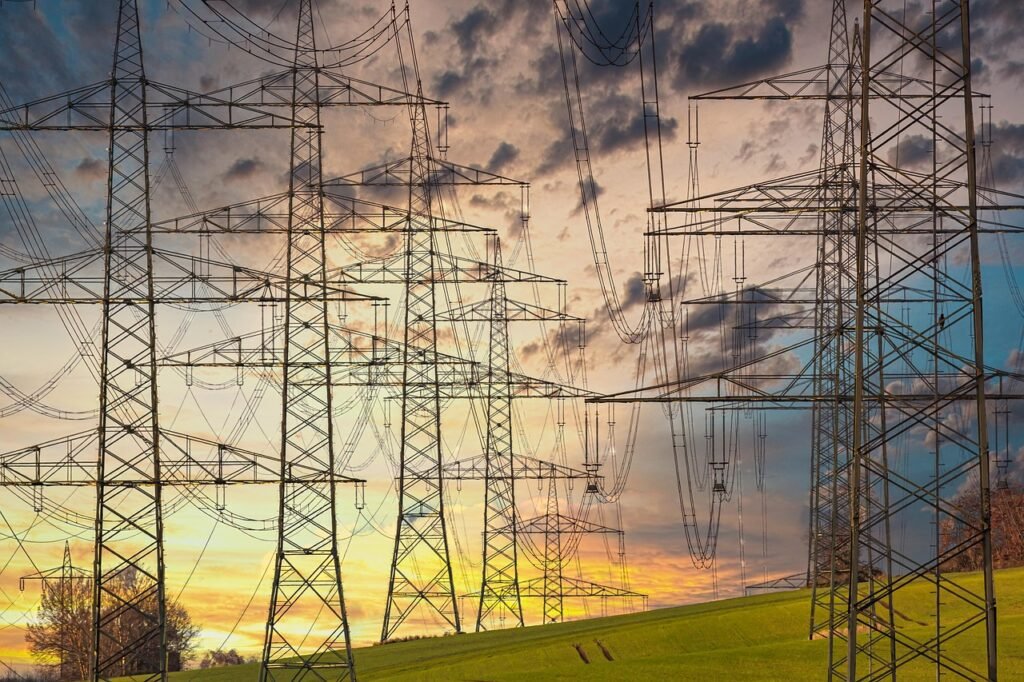
The rapid electrification trend is placing increasing pressure on electricity grids worldwide. More than 2,500 gigawatts of projects, including renewable generation, storage and large electricity consumers such as data centres are currently in need for grid connections globally.
The IEA estimates that meeting future electricity demand will require grid investment to increase significantly, alongside deployment of grid-enhancing technologies and regulatory reforms to improve system flexibility.
The agency also points to rising electricity prices in many countries since 2019, with costs in some markets increasing faster than household incomes. New policies are required to ensure electricity remains affordable while supporting electrification.
At the same time, energy security risks, including extreme weather, ageing infrastructure and cyber threats are rising, making grid resilience and infrastructure protection central priorities for governments and utilities worldwide
Morocco aligns its strategies with the global shift
In Morocco, rising electricity demand and the global shift toward clean energy are already shaping national planning. The country’s electricity regulator, ANRE, has set the national grid’s hosting capacity at 10,429 megawatts for 2026–2030, ensuring the system can accommodate new generation projects, including renewables, storage, and other large consumers.
This capacity planning reflects Morocco’s commitment to expanding electricity access, integrating more solar and wind power, and supporting the growth of electrification across industry, transport, and residential sectors.