


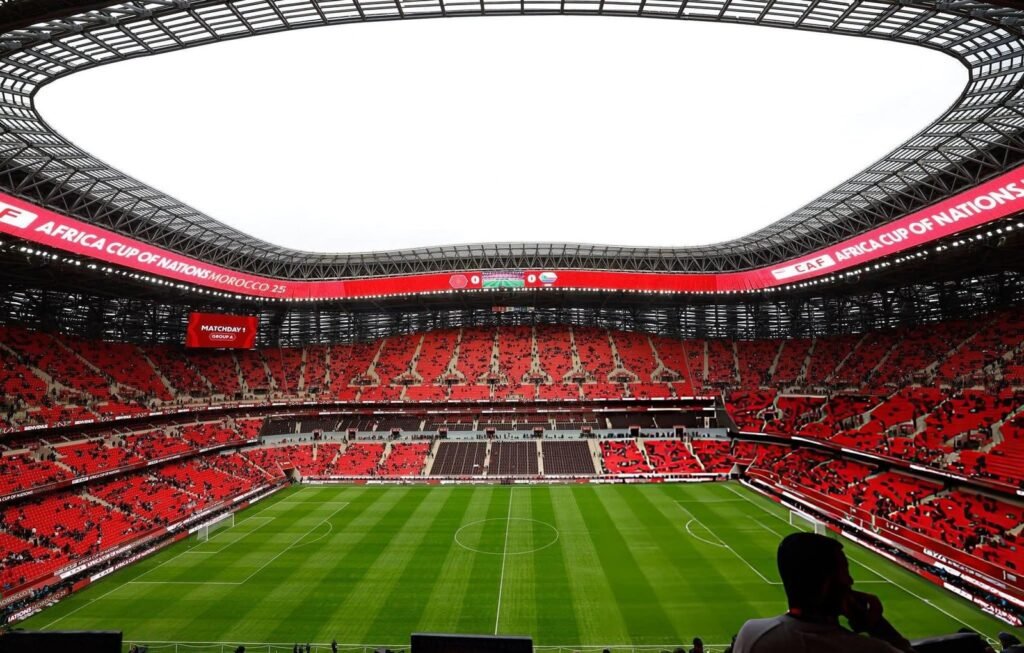
Something special is happening in Morocco. The country is preparing to host CAF Morocco 2025, and the energy everywhere is incredible. As someone who explores every corner of this kingdom, I can tell you this tournament will be more than just football. It’s your chance to see Morocco at its best—stadiums roaring with fans, medinas filled with life, and mountains standing quietly in the distance.
When I talk to travelers planning their trips for AFCON Morocco 2025, many ask the same question: “Should I just watch the matches, or can I see more of Morocco?” My answer is always the same. You can do both, and you should. Morocco during this tournament will show you two faces—the passionate football nation and the ancient land of storytellers, craftsmen, and endless hospitality. The matches will give you excitement, but the spaces between them will give you stories you’ll tell for years.
Planning Your Journey Around CAF Morocco 2025
Building Your Football and Culture Schedule
The tournament will spread across several cities, each one different from the others. This is good news for you. Instead of staying in one place, you can follow the matches and discover new cities at the same time.
Casablanca will likely host important matches. The city pulses with modern energy, but it also holds the Hassan II Mosque, one of the most beautiful buildings I’ve ever seen. The mosque sits right on the Atlantic Ocean. When you stand there, you understand why Morocco is called the gateway between continents.
Rabat, our capital, mixes history with everyday life in a way that feels natural. Between matches, you can walk through the Kasbah des Oudaias, where blue and white buildings create perfect shadows in the afternoon sun. The Chellah necropolis tells stories from Roman times—quiet ruins where storks build nests on ancient stones.
Marrakech might host group stage matches. This works perfectly because the red city never sleeps. Early mornings, visit Jemaa el-Fnaa square before the heat arrives. Watch the juice sellers arrange their oranges in perfect pyramids. After your match, return at sunset when storytellers, musicians, and snake charmers fill the square with life.
Tangier in the north offers something different. The city looks toward Europe across the strait, and you can feel Mediterranean breezes mixing with Moroccan tradition. The medina has been renovated beautifully, and walking through its white alleys after a match feels like stepping into a different era.
Making the Most of Match Days
Here’s what works well from my experience. Mornings in Morocco are golden, literally. The light is soft, and tourist sites are empty. Visit the cultural attractions before lunch. After midday, rest or prepare for your evening match. Morocco can be hot, especially in summer, so this rhythm makes sense.
On days between matches, book guided tours of the medinas. These old city centers are labyrinths. Without a guide, you might miss the small workshops where craftsmen still make things by hand using techniques their grandfathers taught them. I once spent three hours watching a man create zellige tiles in Fes. He worked without measuring, each cut precise, each pattern fitting perfectly into the next.
Save your rest days for longer trips. The Atlas Mountains are close to most host cities. A day trip takes you to Berber villages where life moves slower, where tea is always brewing, and where the air smells like cedar and wildflowers.
Connecting with Morocco’s Football Soul
The Café Culture
Moroccans love football the way they love mint tea—deeply and with passion. Visit any café before a match, and you’ll understand. Men gather around small tables, debating tactics, remembering past glories, predicting outcomes. The coffee is strong, the conversation stronger.
During CAF Morocco 2025, these cafés will become meeting places for fans from across Africa. You’ll hear Arabic mixing with French, English, Swahili, and languages I don’t even recognize. Sit down, order a café noir or mint tea, and suddenly you’re part of something bigger than yourself.
Learning the Language of Football
You don’t need perfect Arabic to connect with Moroccan football fans, but a few words help. Learn “koora” (football), “matsh” (match), and “hadaf” (goal). When Morocco scores, everyone shouts “GOAL!” the same way, but hearing “Allahu akbar!” (God is great!) from a thousand voices in a stadium—that’s pure Morocco.
Street football happens everywhere. Kids play in alleys barely wide enough for a car, using plastic bottles as goals. If you’re brave, join them. They’ll laugh at your skills (probably), but they’ll respect that you tried.
Experiencing Morocco Between the Matches
Food That Tells Stories
AFCON Morocco 2025 gives you the perfect excuse to eat your way through the kingdom. Each city has its specialties. In Marrakech, try tangia—meat slow-cooked in a clay pot buried in hammam ashes. The restaurant owner once told me, “Patience makes the best food.” He was right.
Casablanca serves fresh seafood that was swimming in the Atlantic that morning. In Tangier, the cuisine mixes Moroccan and Spanish influences—try the fish with chermoula sauce. Rabat has the best pastilla I’ve tasted, layers of crispy pastry hiding pigeon meat, almonds, and cinnamon, dusted with powdered sugar and cinnamon.
Don’t just eat in restaurants. Take a cooking class. A Moroccan woman teaching you to make couscous by hand will share more than recipes. She’ll tell you about her grandmother, about wedding traditions, about why we always add love to the tajine.
The Hammam Experience
After jumping and shouting at matches, your body will thank you for a hammam visit. Traditional hammams are not spas—they’re community institutions where Moroccans have gathered for centuries. The ritual is simple: heat, scrubbing, rinsing, repeating. But the feeling afterward—clean in a way soap alone can never achieve—is addictive.
Music and Night Life
Morocco’s musical heritage runs deep. Gnawa music, with its hypnotic rhythms and spiritual roots, sounds like nothing else. Andalusian music echoes the centuries when Muslims and Jews lived together in Spain, creating beauty that still moves people today. Amazigh music from the mountains uses drums and poetry to tell ancient stories.
During the tournament, special performances will happen across host cities. Check local listings. Some of the best music I’ve heard happened in small venues where the performers could see your face and you could feel the floor vibrating with their drums.
Practical Tips for Your CAF Morocco 2025 Adventure
Before You Arrive
Book your accommodation now, not later. Hotels in host cities will fill quickly. Consider riads in the medinas—traditional houses converted into guesthouses. They’re quieter than hotels and give you that authentic Moroccan feel, with courtyards, fountains, and breakfasts on rooftop terraces.
What to Pack
Morocco’s weather varies dramatically. Marrakech in summer can hit 40°C (104°F), while evenings in the mountains get cold. Bring layers. Comfortable walking shoes are essential—you’ll walk more than you expect through medinas and between attractions.
Pack modest clothing, especially for women. Morocco is progressive, but respect goes a long way. Light, long-sleeved shirts work well in the heat and show cultural awareness.
Money Matters
The currency is the Moroccan dirham (MAD). ATMs are everywhere in cities, but bring some cash for smaller vendors in medinas. Credit cards work in most hotels and larger restaurants, but cash is king in souks and with street food vendors.
Staying Connected
My first tip: learn basic Darija phrases. “Shukran” (thank you), “salam” (hello), and “b’slama” (goodbye) will earn you smiles everywhere. Moroccans appreciate when visitors try, even if the pronunciation is terrible.
WiFi is widely available in hotels and cafés. Consider buying a local SIM card for data if you’ll be moving between cities frequently.
Respecting Local Customs
Friday is the holy day. Some shops close for midday prayers. During prayer times throughout the week, you’ll hear the call to prayer from mosques. It’s beautiful, and it’s part of Morocco’s rhythm.
If someone invites you for tea during AFCON Morocco 2025, accept. Tea drinking is an art form here. The host pours from high above the glass, creating foam. Three glasses is traditional—the first bitter like life, the second sweet like love, the third gentle like death.
Photography is wonderful, but always ask permission before photographing people, especially women and especially in rural areas. Most people will say yes if you ask politely, but respect those who decline.
Beyond the Tournament: Hidden Morocco
Desert Dreams
If you have a few extra days, the Sahara calls. Merzouga, on the edge of the massive dunes, is a six-hour drive from Marrakech. Spend a night in a desert camp. When the sun sets and the stars come out, you’ll see why nomads wrote poetry about this place. The silence is complete. The stars are countless.
Coastal Escapes
Essaouira, the blue and white coastal town, offers wind, waves, and fresh fish. Artists live here, attracted by the light and the relaxed atmosphere. Walk the ramparts at sunset while fishermen bring in their catch. Asilah, further north, is smaller but equally charming, with murals covering medina walls.
Mountain Meditation
The Atlas Mountains provide cool relief if summer matches get intense. Imlil, a small village, sits at the foot of Toubkal, North Africa’s highest peak. You don’t need to climb the mountain—just sitting in a café watching it is enough. Berber villages dot the valleys, and hiking between them shows you Morocco most tourists never see.
Making Connections That Last
Eating with Families
Platforms exist that connect travelers with Moroccan families for home-cooked meals. This is different from restaurants. You sit in someone’s home, eat food made with family recipes, hear stories about their children, their work, their hopes. It’s intimate and real.
Learning Traditional Crafts
Try making something with your hands. Pottery workshops in Safi, leather tooling in Fes, carpet weaving in the Middle Atlas—these crafts carry centuries of knowledge. Will your zellige tile be perfect? Probably not. But you’ll understand why Moroccan artisans are proud of their work.
Giving Back
Some organizations offer short-term volunteer opportunities during your stay. Teaching English, helping with environmental projects, or supporting cultural preservation programs. These experiences change how you see Morocco and how you see yourself as a traveler.
CAF Morocco 2025 will bring thousands of football fans to this beautiful kingdom. The matches will be thrilling—I have no doubt. But what happens between the final whistles might change you more than any goal. Morocco has this effect on people. It gets under your skin in the best way.
You’ll leave with memories of stadiums erupting in celebration, yes. But also with memories of mint tea poured just right, of getting lost in a medina and finding your way back, of tasting tagine in a family kitchen, of watching the sun set over the Atlas Mountains while a muezzin calls the faithful to prayer.
This is Morocco during the tournament and always—a place where football passion meets ancient traditions, where modern cities remember their past, where strangers become friends over shared meals and shared excitement.
So, are you coming for the football, the culture, or both? Have you been to Morocco before, or will AFCON Morocco 2025 be your first time? Drop a comment below. Tell me what you’re most excited about. Ask questions. Share your plans. I’m here to help make your Moroccan adventure unforgettable. And who knows? Maybe I’ll see you at a match, or in a medina café, or watching the sunset somewhere between the desert and the sea.
Looking for more Morocco travel tips? Check out our guides on navigating Moroccan medinas, understanding Moroccan cuisine, and planning your Atlas Mountains adventure.