


Rabat – FIFA has launched a wide investigation into a ticket resale plan promoted by a Miami‑based company called Ticket Kings. The scheme aimed to attract investors by promising large profits from buying and reselling tickets for the 2026 World Cup.
According to promotional documents, the company sought to raise $5.5 million to purchase around 8,000 tickets for matches involving top teams such as England, Brazil, and Scotland. Investors were promised returns between 50% and 87% within six months.
Ticket Kings described the plan as a “unique investment opportunity” that would take advantage of the global demand for World Cup tickets.
FIFA responded firmly, stating that reselling thousands of tickets for profit violates its ticketing rules. A spokesperson confirmed that FIFA’s enforcement team is reviewing the case and will take “appropriate action.”
The governing body stressed that its ticket system is designed to protect fans and prevent manipulation of prices.
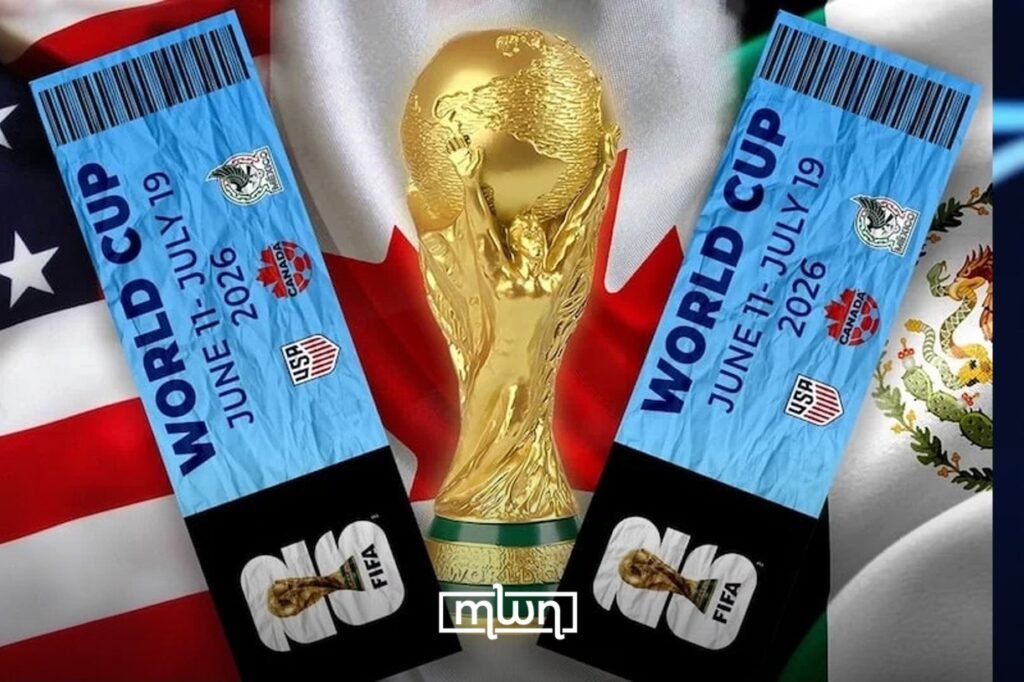
The controversy comes at a time when fans are already frustrated by record‑high ticket costs for the tournament, which will be hosted across the United States, Canada, and Mexico from June 11 to July 19.
Reports show that prices for the final in East Rutherford, New Jersey, have reached extreme levels. Some tickets sold for $8,600, while one listing on FIFA’s resale platform reportedly reached $230,000.
Ticket Kings claims on its website that its goal is to “democratize access to live entertainment.” However, critics argue that the plan would only fuel speculation and make tickets even less affordable for ordinary fans.
The company’s strategy relies on exploiting the wide gap between official ticket prices and resale values.
It remains unclear whether any investors have actually committed funds to the project. For now, FIFA is monitoring the situation closely to ensure its ticketing system is not undermined.
The organization has pledged to block unauthorized investment schemes and prevent black‑market practices from affecting the world’s biggest sporting event.