


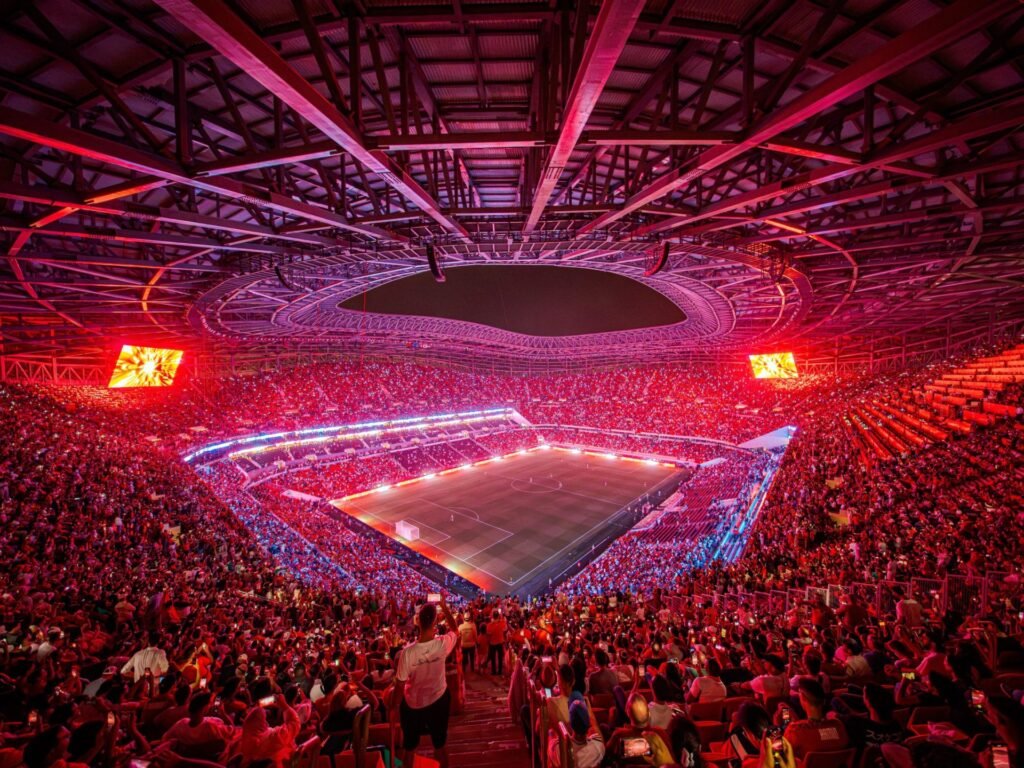
Rabat—A delegation from FIFA has launched a crucial inspection tour across Spain, Portugal, and Morocco to evaluate preparations for the 2030 FIFA World Cup, the centenary edition of football’s biggest tournament.
The tour started on March 9 and will last two weeks, ahead of the official announcement of host stadiums scheduled for December 2026.
The mission is coordinated closely with national football federations and aims to assess stadium infrastructure, organizational readiness, and logistical arrangements across all candidate cities.
Grand Stade Hassan II, the world’s largest football stadium, is taking shape in Morocco 🇲🇦
When finished, it will be the largest stadium in the world, with 115,000 seats. Located in Benslimane, it will be bigger than North Korea’s Rungrado May Day Stadium (114,000 seats).
The… pic.twitter.com/bl5FymXrZG
— Africa View Facts (@AfricaViewFacts) January 8, 2026
Inspection itinerary
The FIFA delegation began its tour in Spain, visiting stadiums in Barcelona and Madrid, before moving on to Portugal. The final part of the inspection will take place in Morocco, where the delegation will review all six candidate host cities and their stadiums:
- Casablanca: Grand Stade Hassan II, currently under construction, is considered a candidate to host the final. Rabat: Complexe Moulay Abdellah
- Tangier: Grand Stade de Tanger, being expanded
- Marrakech, Agadir, and Fès: Existing stadiums undergoing renovations and upgrades to meet FIFA standards
The evaluation covers key criteria including stadium safety, VIP areas, media facilities, transport infrastructure, and accommodation capacity.
Morocco has made preparations in several major areas to strengthen its World Cup bid.
Security: The country has implemented an integrated security system featuring facial recognition, drones, and a specialized judicial framework for managing large-scale sporting events.
Infrastructure: Construction of the Grand Stade Hassan II in Casablanca continues with the goal of making it the largest stadium in the world, with 115,000 seats.
Governance: The Morocco 2030 Foundation has been established to oversee and coordinate all development projects linked to the tournament.
The delegation visit comes amid intense competition between Morocco and Spain to host the final. FIFA officials were reportedly impressed by the progress at Camp Nou in Barcelona, which proves the importance of stadium readiness in the final decision.
The FIFA inspection tour is a critical step in ensuring that all candidate cities are fully prepared to host the 2030 World Cup. Morocco’s combination of modern stadium projects, comprehensive security planning, and coordinated governance structures positions it as a strong contender for several knockout matches, including potentially the final.
The results of this two-week inspection will feed into FIFA’s final decisions, which are expected to be announced in December 2026.
Read also: Spanish Football Federation President Claims Spain Will Lead 2030 World Cup and Host Final