


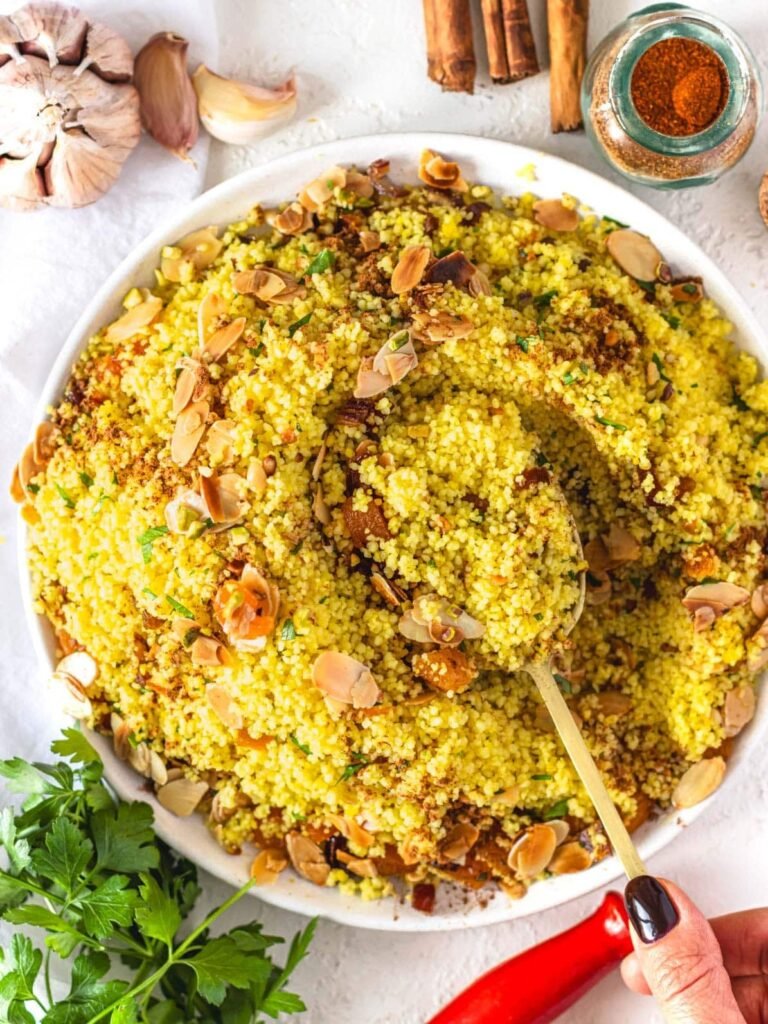
When it comes to Moroccan cuisine, one cannot overlook the significance of couscous. This tiny, yet mighty grain has been a staple in Moroccan households for centuries, forming the heart of many traditional dishes that reflect the country’s rich culinary heritage.
A Versatile Grain
Couscous is more than just a side dish; it is a versatile ingredient that takes on various forms and flavours depending on how it is prepared. In Morocco, couscous is often steamed and fluffed to perfection, creating light and fluffy grains that serve as the perfect base for savoury stews, vegetables, and meats.
The Art of Making Couscous
Traditionally, making couscous in Morocco is a labour of love that involves hand-rolling semolina wheat into tiny granules before steaming them in a special pot known as a couscoussier. This meticulous process results in couscous with a delicate texture that absorbs the flavours of accompanying ingredients, making each bite a burst of taste.
Celebratory Dish
Couscous holds a special place in Moroccan culture as a dish often served during festive occasions and family gatherings. It symbolises unity and togetherness, bringing loved ones around the table to share not just a meal but also stories and laughter.
Regional Variations
While couscous is enjoyed throughout Morocco, each region puts its own twist on this beloved grain. In coastal areas, seafood may be added to couscous dishes for a taste of the sea, while in mountain regions, hearty meats and root vegetables provide warmth and comfort.
Modern Interpretations
In recent years, chefs have been experimenting with innovative ways to present couscous while staying true to its traditional roots. From fusion dishes combining global flavours to contemporary plating techniques that elevate couscous to an art form, this ancient grain continues to inspire culinary creativity.
Experience the Magic
To truly appreciate Moroccan cuisine, one must savour the delights of couscous. Whether enjoyed at a bustling souk or prepared at home with loved ones, this humble grain encapsulates the essence of Moroccan hospitality and culinary mastery.
8 Essential Tips for Perfecting Moroccan Couscous at Home
- Use a ratio of 1
- Add olive oil to the couscous while cooking for extra flavour.
- Steam the couscous instead of boiling it for better results.
- Fluff the cooked couscous with a fork to separate the grains.
- Incorporate dried fruits like raisins or apricots for sweetness.
- Enhance the dish with spices like cumin, cinnamon, and paprika.
- Serve couscous with a tagine or stew for a complete meal.
- Garnish with fresh herbs like parsley or coriander before serving.
Use a ratio of 1
When preparing couscous in Moroccan cuisine, a crucial tip is to use a ratio of 1:1 for the couscous to water or broth. This balanced proportion ensures that the couscous absorbs just the right amount of liquid, resulting in perfectly cooked grains that are fluffy and full of flavour. By following this simple guideline, you can achieve an authentic Moroccan couscous dish that delights the senses with its texture and taste.
Enhance the flavour of your couscous by incorporating a drizzle of olive oil during the cooking process. This simple tip not only infuses the grains with a subtle richness but also adds a touch of Mediterranean charm to your Moroccan dish. The olive oil brings a depth of flavour that complements the nuttiness of couscous, elevating each bite to a delightful culinary experience.
Steam the couscous instead of boiling it for better results.
For optimal results when preparing Moroccan couscous, it is recommended to steam the grains rather than boiling them. Steaming allows the couscous to retain its delicate texture and absorb the flavours of accompanying ingredients more effectively. This method of cooking enhances the overall taste and authenticity of the dish, ensuring a light and fluffy consistency that truly captures the essence of traditional Moroccan cuisine.
Fluff the cooked couscous with a fork to separate the grains.
To enhance the texture and ensure each grain remains distinct, a key tip in Moroccan cuisine when preparing couscous is to delicately fluff the cooked grains with a fork. This simple yet crucial step helps to separate the couscous granules, preventing clumping and allowing them to absorb flavours more effectively. By gently loosening the couscous with a fork, you can achieve that light and fluffy consistency that is characteristic of authentic Moroccan dishes.
Incorporate dried fruits like raisins or apricots for sweetness.
To enhance the flavours of Moroccan couscous, consider incorporating dried fruits such as raisins or apricots. These sweet additions not only provide a delightful contrast to the savoury elements of the dish but also bring a touch of natural sweetness that complements the overall flavour profile. The chewy texture and burst of fruity taste from the dried fruits elevate the couscous to a new level of culinary delight, adding depth and complexity to each mouthful.
Enhance the dish with spices like cumin, cinnamon, and paprika.
To elevate the flavours of your Moroccan couscous dish, consider enhancing it with a blend of aromatic spices such as cumin, cinnamon, and paprika. These spices not only add depth and warmth to the dish but also infuse it with a tantalising aroma that will transport you to the bustling markets of Morocco. Experimenting with these traditional seasonings will surely take your couscous to new culinary heights, creating a sensory experience that captures the essence of Moroccan cuisine.
Serve couscous with a tagine or stew for a complete meal.
Enhance your dining experience with a touch of Moroccan tradition by serving couscous alongside a fragrant tagine or hearty stew. This classic pairing creates a harmonious balance of textures and flavours, allowing you to enjoy the light and fluffy couscous alongside the rich and aromatic sauce of the tagine or stew. The combination not only satisfies your taste buds but also provides a fulfilling and complete meal that embodies the essence of Moroccan cuisine.
Garnish with fresh herbs like parsley or coriander before serving.
Enhance the vibrant flavours of Moroccan couscous by adding a final touch of freshness before serving. Sprinkle a generous handful of finely chopped parsley or coriander over the dish to elevate its aroma and taste profile. These aromatic herbs not only provide a burst of colour but also bring a refreshing herbal note that complements the rich and hearty flavours of the couscous, creating a harmonious culinary experience that captures the essence of Moroccan cuisine.