


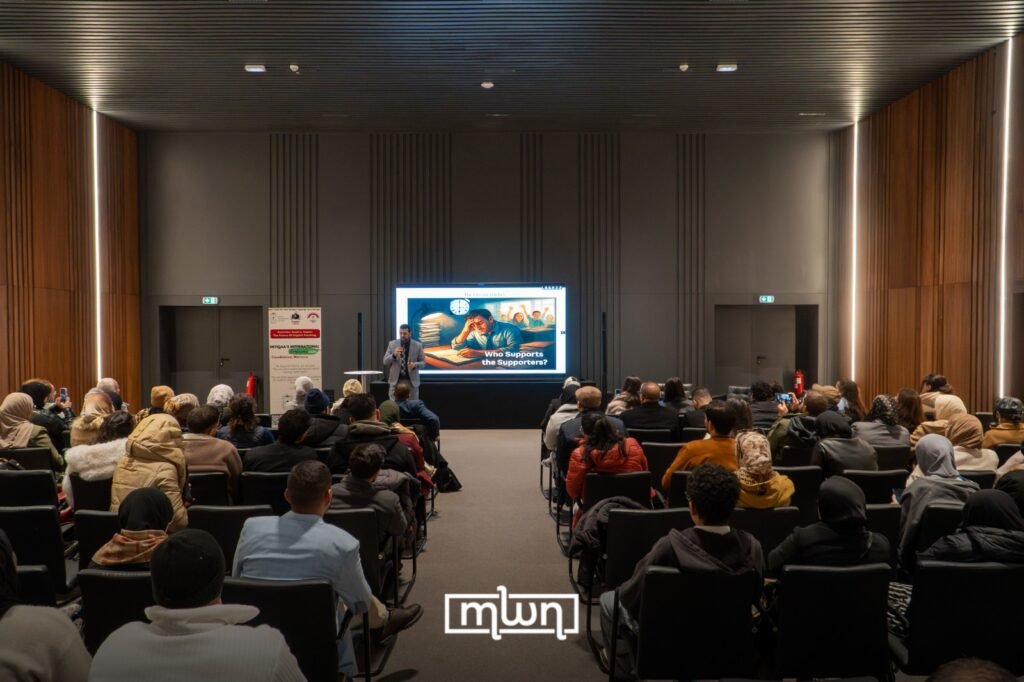
Casablanca – Educators, researchers, and training institutions from Morocco and abroad gathered today in Casablanca for the Ertiqaa International Conference 2026, an event focused on innovation in English language teaching and the evolving needs of classrooms in a rapidly changing educational landscape.
The conference brought together teachers, academics, trainers, and education-focused organizations to exchange experiences, present research, and discuss practical approaches to teaching English in contexts shaped by digital change, artificial intelligence, and shifting learner needs.
Sessions covered topics ranging from teacher wellbeing and critical thinking to public speaking, early learning, and the use of technology in education.

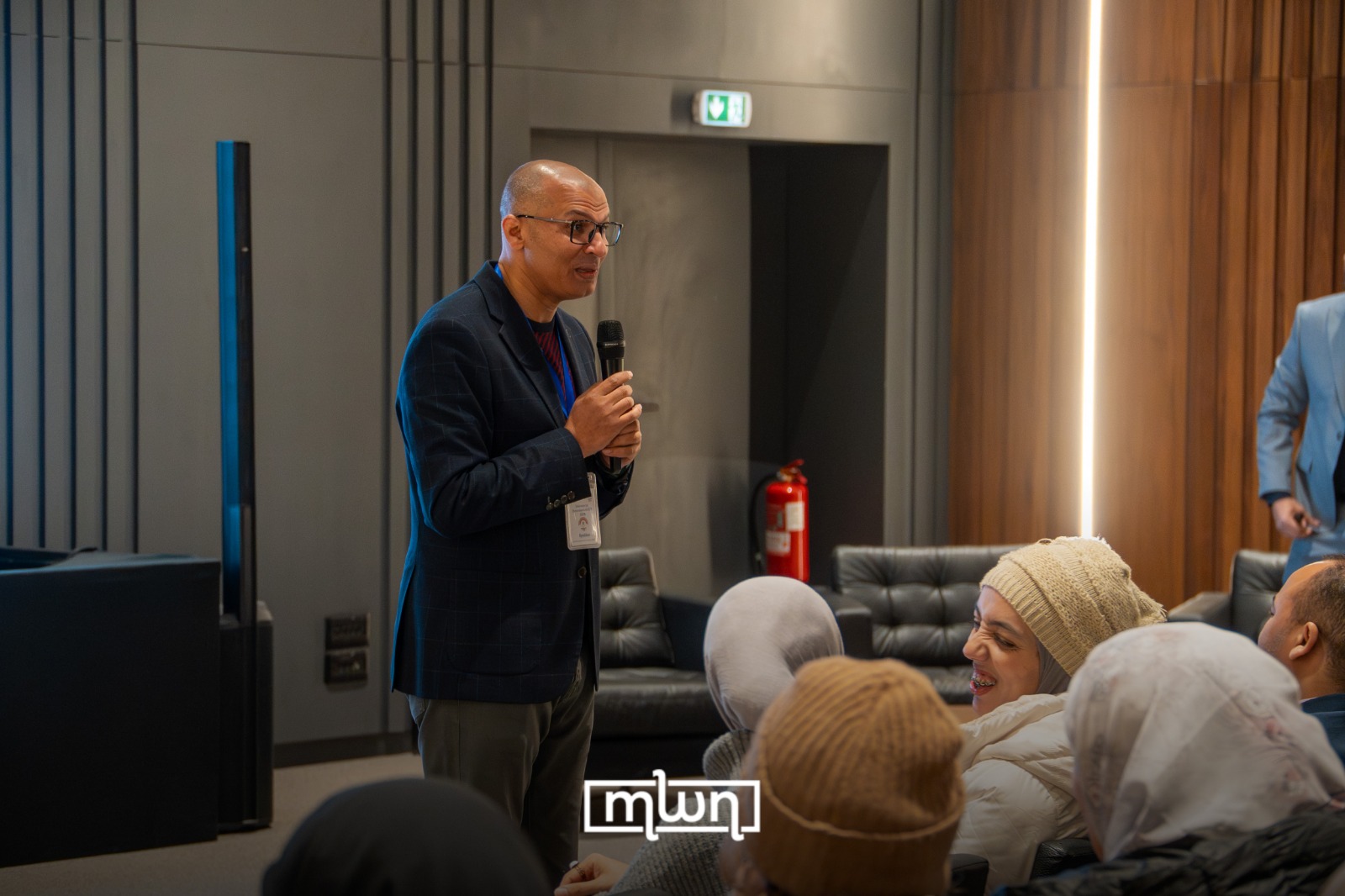
Speaking in an interview with Morocco World News, Ahmed Chalabi, Vice President of Ertiqaa, said the conference reflects broader changes taking place in education. He pointed to Morocco’s 2030 vision and the growing role of English in public education, stressing the need for teachers to adapt.
“The world is changing consistently, and the speed at which the world moves should actually alert us to act quickly,” he told MWN, referring to the transition from traditional classrooms to remote learning and the growing presence of artificial intelligence in education.
Several speakers emphasized the importance of grounding innovation in real classroom practice. Noureddine Khizani, co-founder of English Castle in Bouskoura, told MWN that innovation must go beyond theory.
“We are organizing workshops to show other teachers how we can bring innovation and how innovation can be practical in classrooms, and how impact should be seen and visible in teachers and learners,” he said.
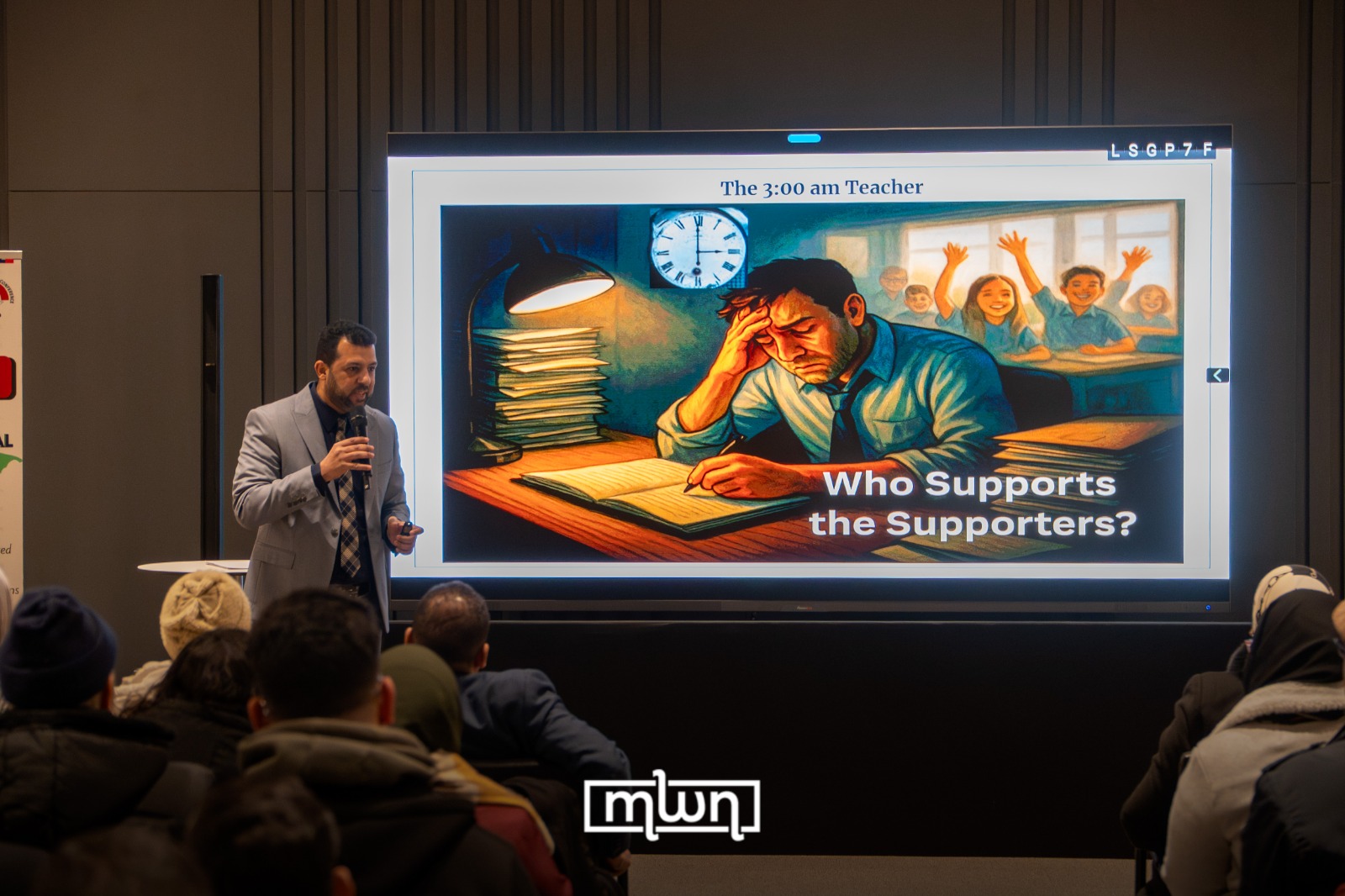
Research presented at the conference also addressed challenges faced by educators. Mohammed Abouria, who presented a qualitative study on teacher wellbeing in private schools in the UAE, told MWN that administrative burdens can directly affect instructional quality.
His research, he said, highlights “how teachers are burdened with the administrative tasks and how we need leaders to be trained to mitigate the effects of these burdens,” adding that the findings can inform broader discussions on institutional support for teachers.
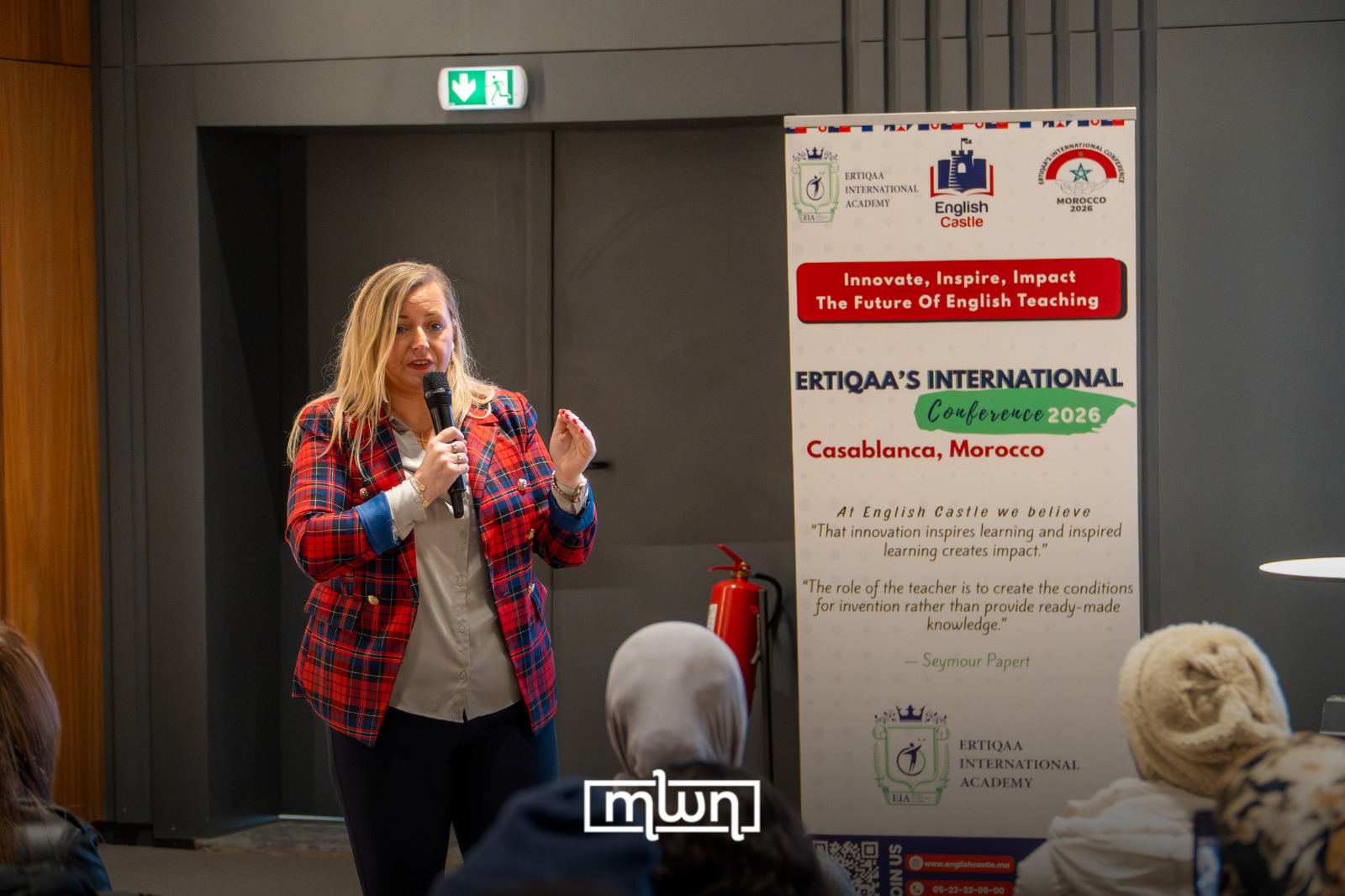
The event also featured contributions from international educators. Anna Machura, an educator and consultant from Ireland, spoke about integrating therapeutic techniques, neuroscience, and cyber psychology into everyday teaching.
She told MWN that such approaches can be “easily translated into everyday practice, every classroom,” benefiting both students and teachers.
Read also: UPF University Marks 20 Years as It Celebrates Graduation of 17th Cohort
Beyond professional discussions, the conference showcased student participation through public speaking sessions led by English Castle trainees.
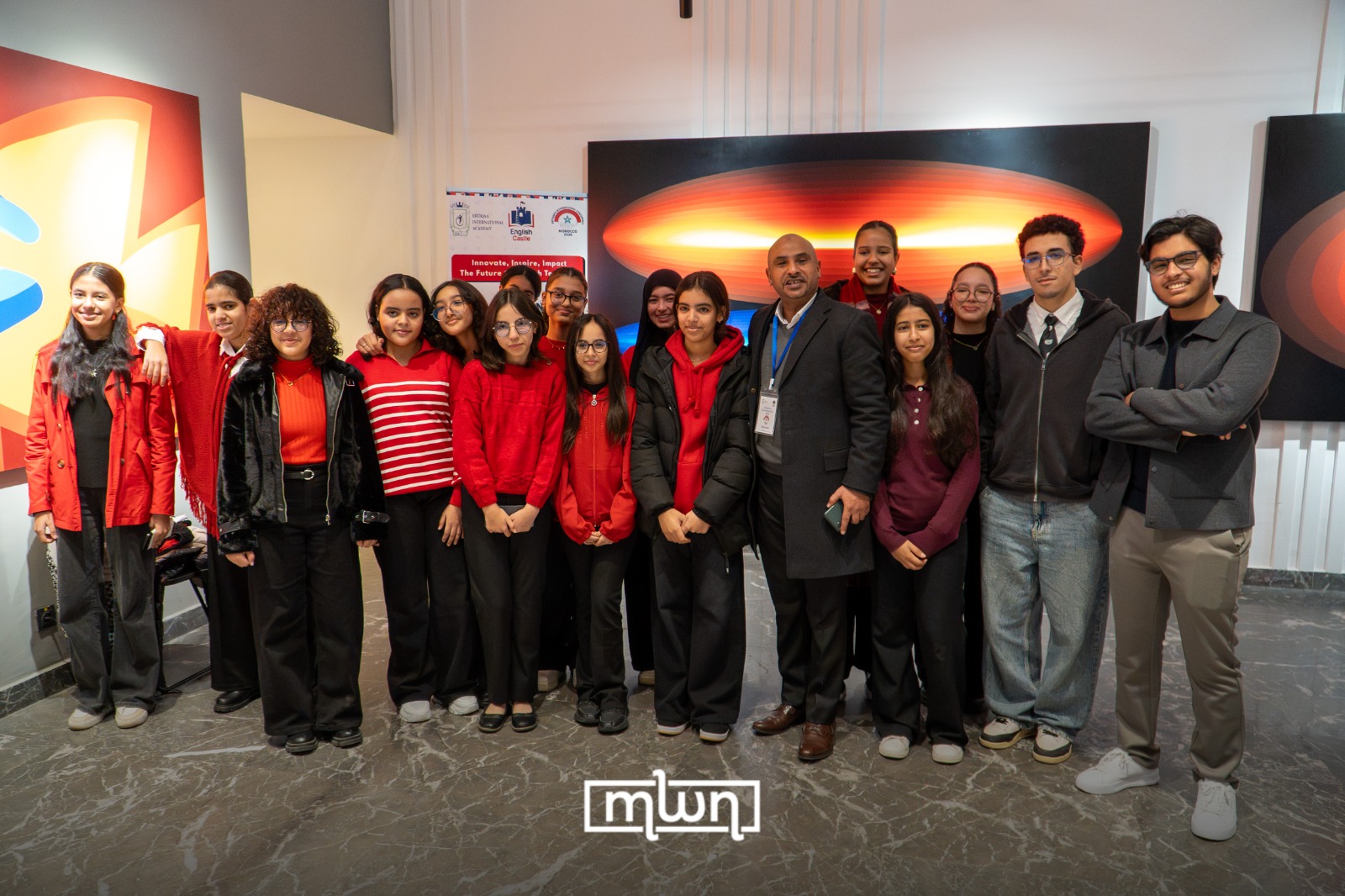
Teenagers addressed topics including kindness, confidence, failure, and social issues, highlighting the role of communication skills in education. Public speaking trainer Zakaria ElHariri told MWN that the goal is to help learners “stand on stage, convey messages, and make impact.”
Sami, a representative of Ertiqaa, said the strong turnout and engagement in Casablanca confirmed the organization’s decision to host the conference in Morocco.
“Our goal at Ertiqaa is to bring together teachers from different countries so they can exchange experiences and share knowledge among themselves,” he told MWN, adding that the organization plans to return in the future.
The Ertiqaa International Conference concluded with panel discussions and networking sessions, reinforcing its focus on collaboration, practical exchange, and the future of English language teaching in Morocco and beyond.