


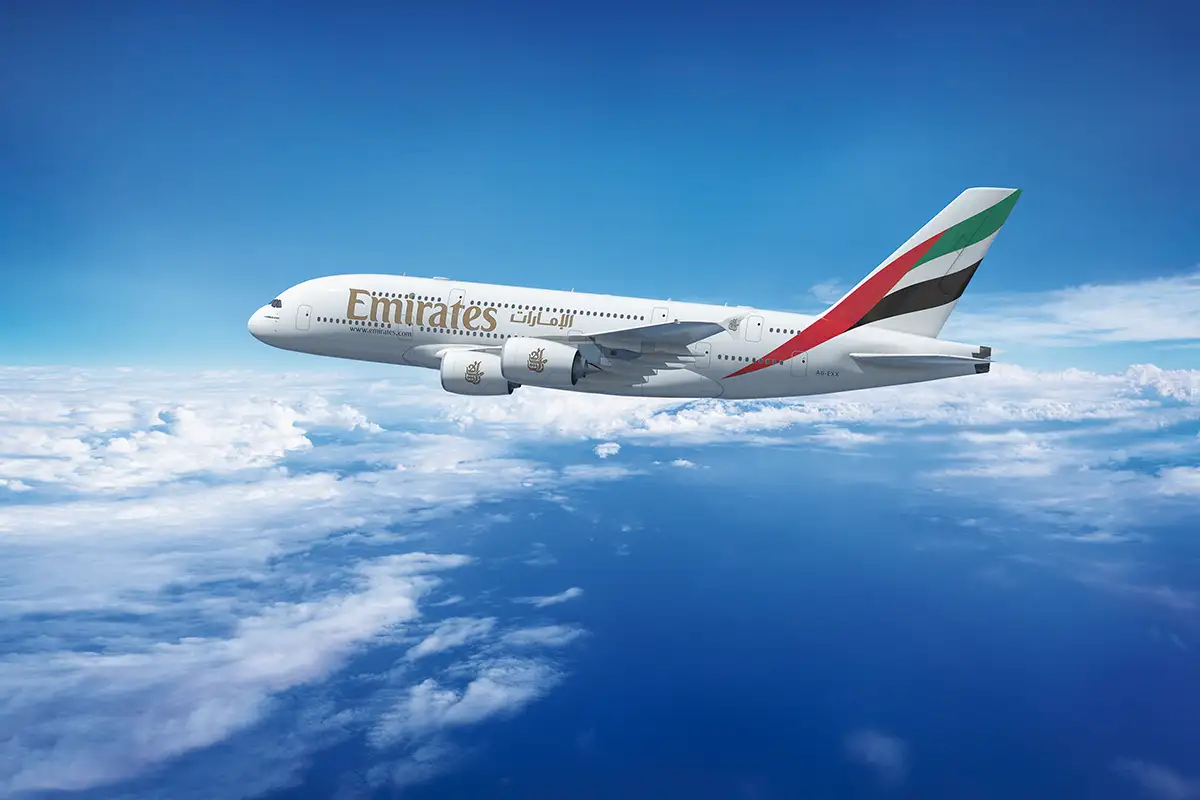
Marrakech – Emirates has confirmed it will cease operations to Algeria, with the final flight EK757 scheduled to depart Algiers on February 3, 2027.
The announcement comes in the wake of Algeria’s abrupt decision to scrap its air services agreement with the UAE, a move widely seen as another self-inflicted escalation driven by Algiers’ spiraling diplomatic isolation and erratic foreign policy posture.
The Dubai-based carrier stated that current flights to and from Algeria remain unaffected and are operating as scheduled. “Customers with upcoming travel plans should proceed as booked,” Emirates said in an official statement. “We apologise for any inconvenience this may cause our customers.”
Algeria has formally triggered procedures to terminate the bilateral air services agreement signed in 2013, invoking Article 22, which stipulates that withdrawal must be communicated through official diplomatic channels.
The General Civil Aviation Authority confirmed that the accord remains fully in force throughout the legally required notice period, with flight operations continuing as normal in the interim.
The move caps a years-long unraveling of Algeria-UAE relations, defined by deepening hostility and diplomatic rupture. President Abdelmadjid Tebboune recently delivered sharp criticism against what he described as a “state or mini-state” seeking to undermine Algeria’s stability, warning: “Do not make us regret the day we ever knew you.”
Tensions between the two countries trace back to 2019 when Algeria accused the UAE of attempting to influence its presidential election process. The dispute intensified following Tebboune’s criticism of the Abraham Accords in September 2020, describing normalization with Israel as a “headlong rush.”
Algerian officials have accused the UAE of seeking to regionally encircle Algeria and harm its relations with Sahel countries. In September 2023, Tebboune spoke of a “brotherly state” injecting money to stir unrest in several countries, with media reports subsequently pointing to UAE involvement.
Algeria’s leadership has made its Gulf hierarchy unmistakably clear. Tebboune has hailed relations with Saudi Arabia as “more than strong,” while reserving pointed and persistent censure for the UAE’s policies. “What affects them affects us,” Tebboune said regarding Saudi relations.
Algerian journalist Ahmed Hafsi described his country’s position as “sovereign” and “not subject to polarization or dictates.” He argued that Algeria was among the first to expose what it calls “Abu Dhabi’s maneuvers and conspiracies” and condemned “hostile Emirati behavior.”
The UAE’s response has been measured, with Emirati writer Abdulaziz Al-Maamari suggesting the tensions reflect “a misunderstanding of the UAE’s regional role.” He stressed that the UAE operates on the basis of “development, partnerships, and investment rather than conflict.”
Emirates launched its Algiers service in 2013, operating daily flights using Boeing 777 aircraft. The airline assured customers that it will “fully comply with any instructions or directives issued by government authorities” and provide timely updates should circumstances change.
Customers whose travel plans are affected from February 2027 are encouraged to consider alternative arrangements through their booking agents. The termination marks the end of over a decade of Emirates operations in Algeria as diplomatic relations reach what observers describe as a point of no return.
Read also: Emirates Launches Second Daily Dubai-Tokyo Flight, Adding Option for Morocco-Japan Travel
