


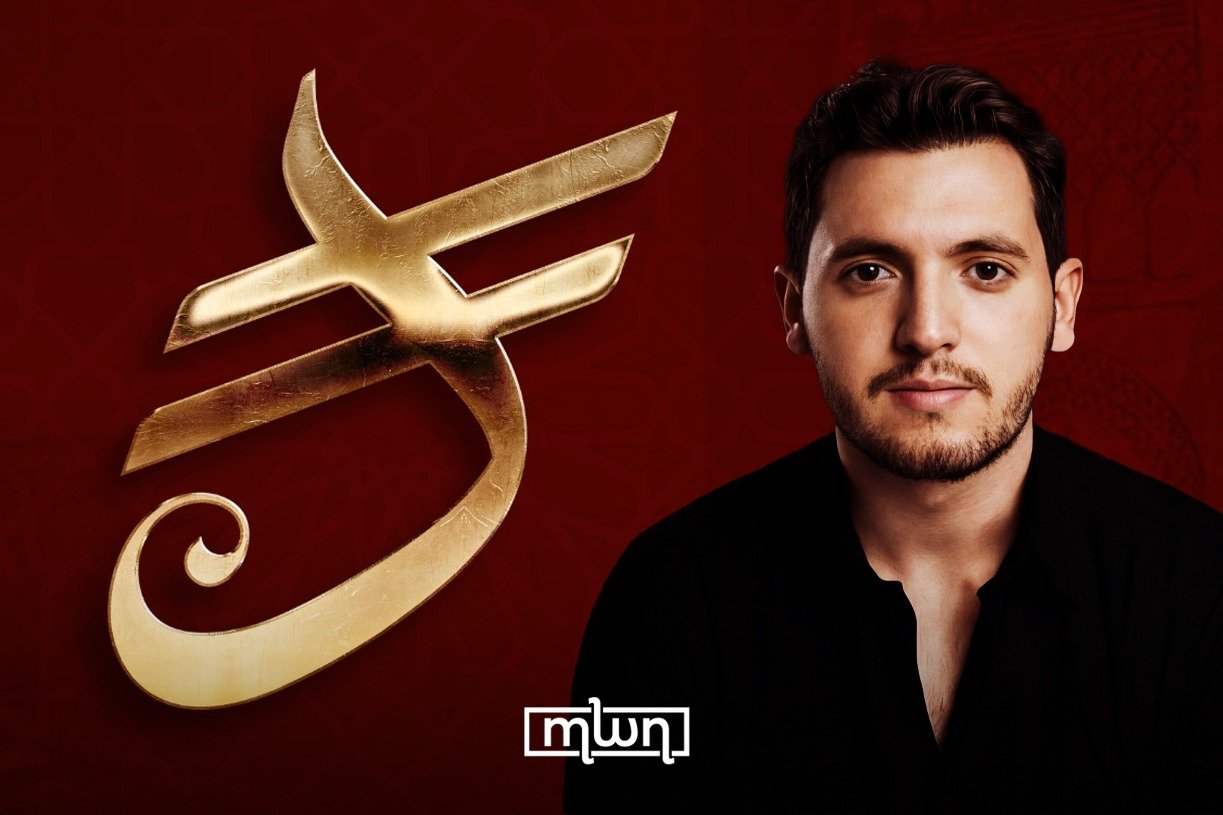
Mohammedia – El Mehdi Laaroussi, a Moroccan creative director based abroad, has proposed a conceptual visual symbol for the Moroccan dirham, presenting it as an independent design initiative intended for use across digital and financial systems.
In an interview with Morocco World News (MWN), Laaroussi said the idea emerged from what he described as the absence of a standardized visual shorthand for Morocco’s currency.
While many global currencies are represented by symbols such as the dollar, euro, or pound, the dirham is typically denoted using abbreviations such as “MAD” or “Dhs.”
“I’ve always felt more like a cultural architect than just a creative director,” Laaroussi told MWN. He said his work focuses on translating Morocco’s historical visual language into contemporary systems, particularly as the country’s digital footprint expands.
Laaroussi said the lack of a currency symbol stood out to him as a functional issue rather than a stylistic one. “Those are just cold banking codes,” he said of the existing abbreviations. “They have no soul, no history.” He added that a symbol could serve as a universal visual reference for the dirham in international and digital contexts.
The proposed symbol is based on elements drawn from Maghrebi calligraphy, traditional Zellige geometry, and the Arabic letter Dal, which corresponds to the first letter of the word “Dirham.”
Laaroussi said the design process involved simplifying these elements into a geometric form built on a strict grid system. According to him, the aim was to ensure consistency and legibility across different scales and platforms, including digital interfaces.
“I didn’t want to just add decoration,” he said. “My goal was to find the DNA of the symbol.” He described the design as intentionally minimal, intended to function clearly whether displayed as a small icon on a mobile application or in larger physical formats.
Alongside the symbol, Laaroussi produced a technical guideline document outlining rules for its construction and use.
The document specifies geometry, spacing, minimum sizes, color usage, and application standards across physical and digital environments.
It also distinguishes between the symbol and currency codes, stating that they should not be used together in numeric contexts.
Laaroussi has also released a developer kit containing digital assets such as SVG files, icon sets, and integration guides. He said the kit was created to allow software developers and fintech engineers to implement the symbol directly into banking applications, e-commerce platforms, and financial software.
“This isn’t a drawing,” he said. “It’s a strategic asset.” He described the symbol as “visual infrastructure,” arguing that standardized visual systems play a role in recognition and trust within global financial environments.
In the discussion, Laaroussi linked the initiative to Morocco’s broader digital ambitions and preparations for the 2030 World Cup.
He said visual systems are part of how countries present themselves internationally and that digital sovereignty includes control over national currency representation.
Addressing potential criticism, Laaroussi said existing abbreviations were limited in scope. He noted that “MAD” can carry unintended meanings in English and that “Dhs” is used by more than one country. “A symbol is universal,” he said. “It doesn’t need translation.”
Laaroussi described the project as a proposal rather than an official recommendation and said any adoption would require institutional involvement.
He said his aim was to contribute to public discussion around visual identity and national systems, and he expressed readiness to engage with relevant authorities on further development.
Read also: Preserving Heritage: MP Questions Government on Elderly Artisans’ Welfare
