


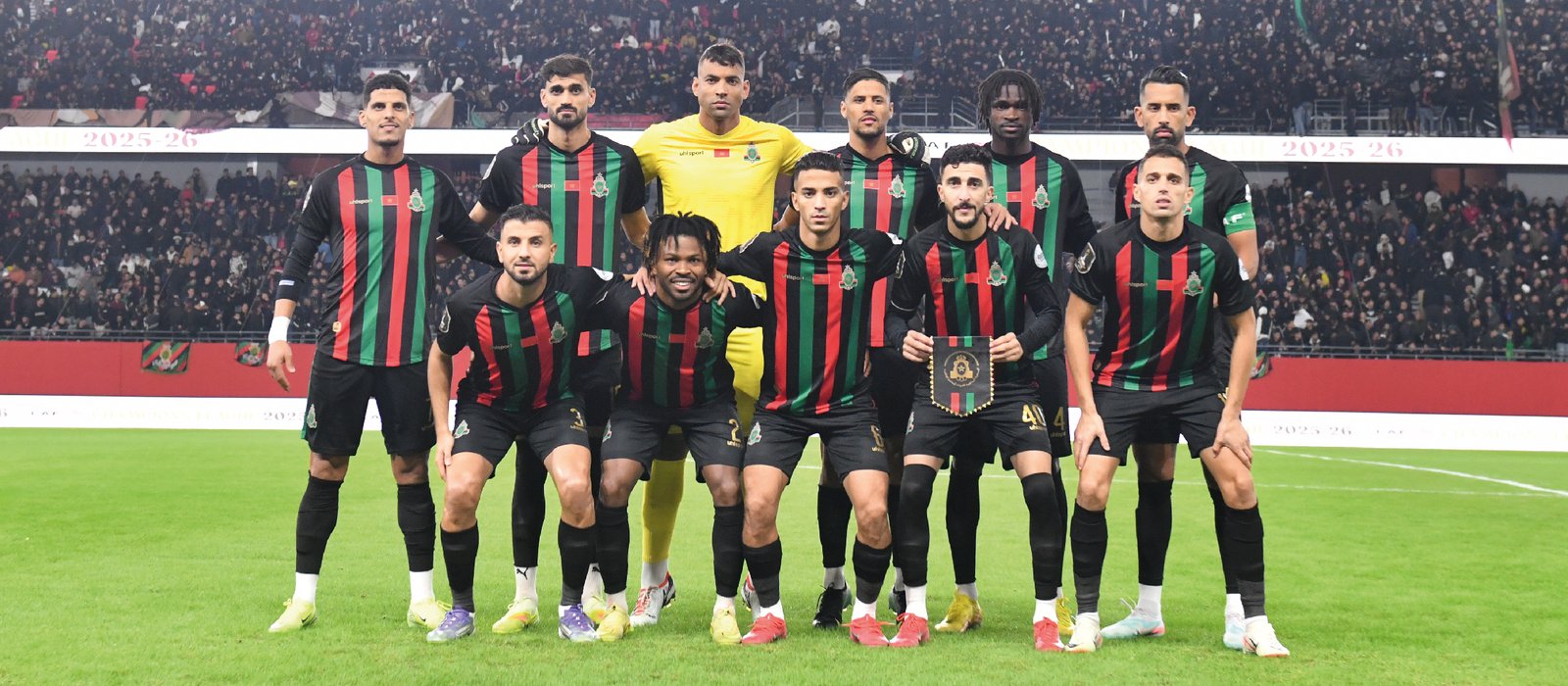
Rbaat – ASFAR (FAR Rabat) has issued a formal statement strongly condemning the behavior of some Al Ahly supporters during their CAF Champions League group stage match at Cairo International Stadium.
The Moroccan club denounced the repeated throwing of bottles and other projectiles at its players and staff, describing the actions as a direct threat to their safety. The incident occurred both during the match and as players were heading to the dressing rooms at halftime, forcing security personnel to intervene to protect the team.
ASFAR confirmed that it has already taken steps by officially contacting the Confederation of African Football (CAF). In its communication, the club demanded that disciplinary measures outlined in CAF’s regulations be applied, stressing the importance of safeguarding sporting integrity and ensuring the safety of all participants.
This development comes against the backdrop of earlier sanctions imposed on ASFAR itself. Following crowd trouble in the first-leg meeting between the two sides, CAF’s Disciplinary Committee ordered the Moroccan club to play two matches behind closed doors.
The parallel has fueled debate over whether CAF will now enforce similar penalties against Al Ahly, in line with the principle of equal treatment.
CAF’s regulations explicitly stress the responsibility of host clubs to guarantee secure conditions inside stadiums and protect players from harm.
With video evidence of the incidents widely circulated, pressure is mounting on CAF to respond decisively.
ASFAR’s statement underscores the seriousness of the situation, framing it not only as a matter of discipline but also as a test of CAF’s commitment to fairness and consistency.
The coming days will reveal whether the governing body takes comparable action against Al Ahly, as many observers and fans across Africa are now demanding.
For ASFAR, the focus remains on preparing for the knockout rounds of the Champions League, but the controversy surrounding the Cairo incidents continues to dominate headlines and raise questions about accountability in African football.
