


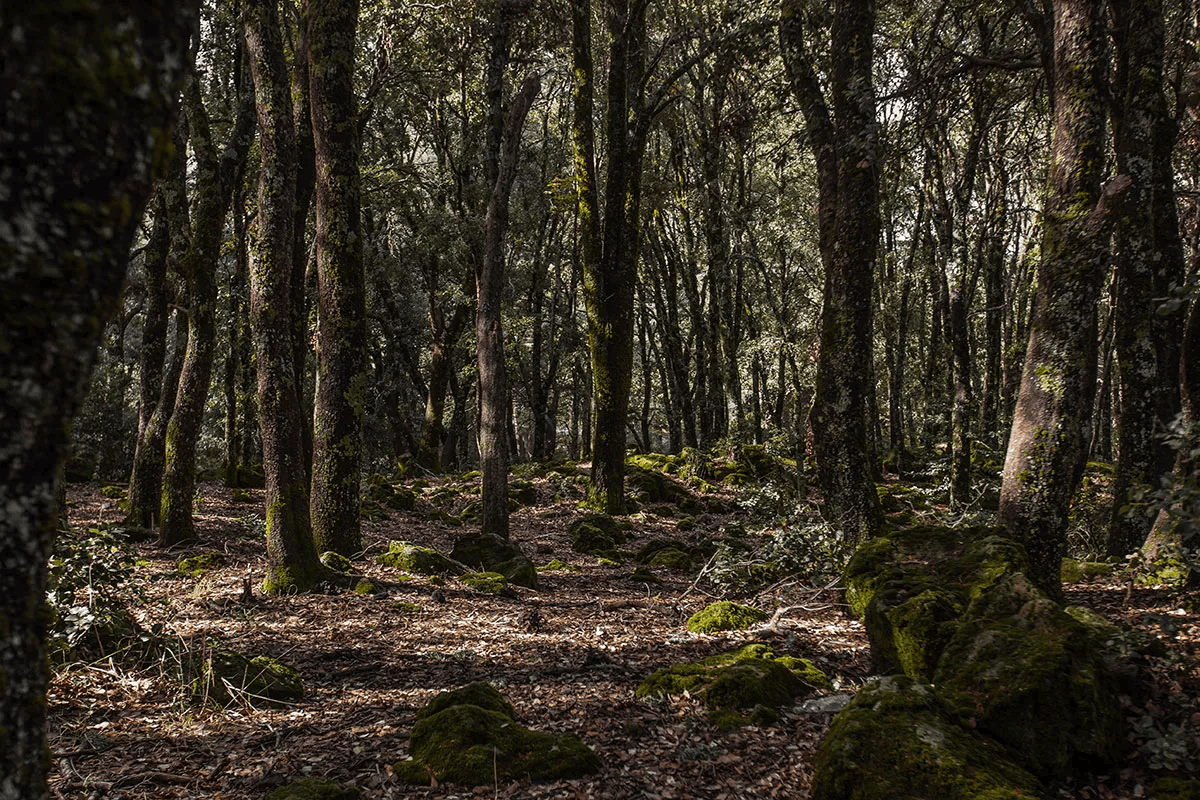
Rabat – The National Water and Forests Agency (ANEF) reassured the public that recent operations in the Maamora forest respond exclusively to storm damage and do not involve large-scale tree cutting.
Following reports in several media outlets suggesting extensive logging, ANEF clarified that no planned or commercial tree felling is underway.
“All actions in the forest respond to the need to secure affected areas and restore safety after recent storms,” the agency explained.
Severe winds and heavy rainfall in early February caused hundreds of trees to fall, uproot, or suffer serious damage across multiple provinces, including Kenitra, Sidi Slimane, Sidi Kacem, Khemisset, and Rabat.
In Rabat alone, authorities recorded 594 damaged trees, covering species such as cork oak, pine, eucalyptus, acacia, and thuya. Kenitra reported 520 affected trees, with neighboring provinces also reporting losses.
The agency noted that current work focuses on clearing fallen trees from forest roads, reducing risks for visitors, and preventing disease or pest outbreaks.
ANEF also noted that these steps reflect normal forest management practices after extreme weather events and are not linked to logging campaigns.
Maamora forest, Morocco’s largest cork oak forest, remains a strategic ecological heritage. Its management follows sustainable, scientifically guided plans aimed at natural regeneration, biodiversity protection, and climate resilience.
ANEF concluded by reaffirming its commitment to transparency and offered to provide further information on forest conditions and ongoing safety measures.
Recent torrential rainfall and powerful winds caused substantial damage across several Moroccan provinces.
Rising water levels flooded low-lying districts, disrupted traffic, and damaged infrastructure, while saturated soil and strong gusts led to the uprooting and collapse of hundreds of trees.
Public spaces, forest zones, and rural areas recorded visible impact. Authorities conducted field assessments and intervened in affected sites to secure public spaces and reduce safety risks.
