


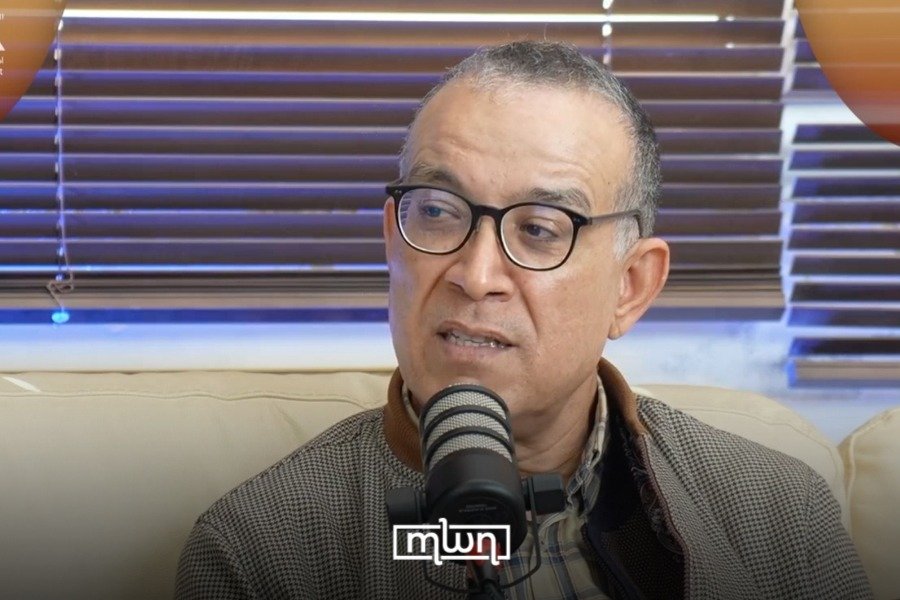
Marrakech – Speaking last month at the International Argan Fair, Abdelaziz Afker, representative of ANDZOA, highlighted the deep ecological, cultural, and symbolic value of the argan tree, describing it as far more than an agricultural resource.
“The argan tree is not just a sector or a product,” Afker explained. “Before anything else, it is a tree, but in reality, it represents a complete system: an ecological system, a social system, and a symbolic one, because it is a national natural treasure.”
According to Afker, the uniqueness of argan lies in its strong connection to place. Its characteristics change from one region to another, not only in climate but also in the surrounding vegetation, reflecting the heritage and identity of each area.
This diversity mirrors the cultural richness of these landscapes, which are also major tourist destinations visited by national and international travelers, as well as members of the Moroccan diaspora. They come to discover this richness, making argan a true symbol of identity.
Afker also emphasized the special relationship between people and the argan tree, forged over centuries of coexistence.
“There is a deep story between humans and this tree,” he noted. “It teaches us how people adapted to their environment and natural space over time.”
From an ecological perspective, Afker explained that the natural habitat of the argan tree is defined by specific climatic conditions.
It grows mainly in semi-arid to arid zones, strongly influenced by the Atlantic Ocean, particularly through fog, which provides vital airborne moisture.
“Annual rainfall in these areas does not exceed 200 millimeters, while argan needs between 280 and 320 millimeters,” he said, noting that humidity compensates for part of this deficit.
A singular ecological system
While the argan tree can grow in different soil types and at altitudes reaching 1,500 meters, Afker pointed out that temperature remains the main limiting factor.
“The tree does not tolerate extreme cold in winter, which restricts its expansion into colder regions because of its impact on its physiology,” he explained.
He also addressed ongoing experiments to introduce argan trees into new ecological and climatic zones.
“Whether the variety is small or large, transferring this blessed tree outside its natural range is still a relatively recent experience,” Afker said.
“We cannot yet judge its success or failure, because plant adaptation takes time, sometimes many years.”
“This makes argan a singular ecological system unlike any other,” he said.
Turning to the role of the International Argan Fair, Afker stressed its importance in bringing argan closer to people who cannot visit its natural habitat.
“The fair allows visitors to discover the argan tree and its products in a different way, through direct interaction with cooperatives,” he explained.
He also highlighted the fair as a key meeting space for cooperatives and professionals, enabling them to exchange ideas, showcase products, and better understand market trends.
“It is especially valuable for cooperatives that rarely have access to such opportunities, helping them open up, learn, and grow,” Afker explained.
From a cultural standpoint, he noted that the fair plays a vital role in showcasing argan as a symbol of heritage and identity, particularly in a region that attracts visitors from Morocco and abroad.
At the same time, he concluded, it offers professionals a chance to follow market demand, rethink valorization strategies, and improve product quality, strengthening Argan’s economic position.