


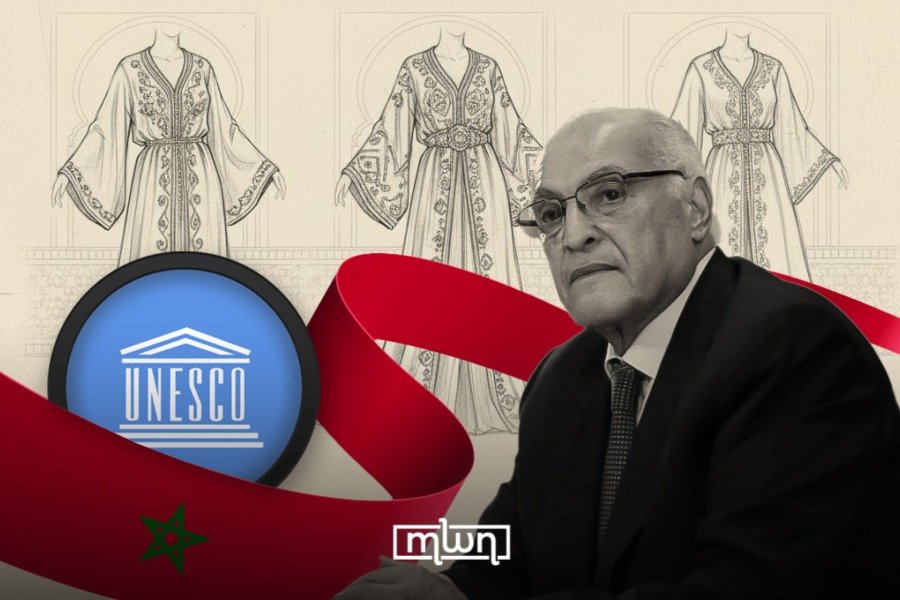
Rabat – Algeria’s regime is not only in denial about Morocco’s Sahara momentum, but also about the country’s heritage gains.
UNESCO this week officially recognized the caftan as Moroccan, adding it to its Intangible Cultural list.
Algerian authorities, however, tell a different story. The Algerian Foreign Affairs Ministry celebrated a “major diplomatic success” on Thursday, describing the saga on the caftan as a “dispute” over the origins of the Moroccan traditional dress.
It claimed that the 20th session of UNESCO’s Intergovernmental Committee for the Safeguarding of Intangible Cultural Heritage “clearly and explicitly” recognized Algeria’s “preeminence regarding the traditional caftan as a fundamental component of its rich cultural heritage.”
The musicless wedding in Algeria comes as the world has extended cables of congratulations for Morocco’s caftan recognition by UNESCO.
On December 10, Morocco’s Ministry of Youth announced that the North African country submitted a complete file showing the richness and long history of the Caftan. Morocco’s Permanent Delegation to UNESCO in Paris prepared the file along with the ministry, detailing the skills, craftsmanship, and social roles connected to the caftan.
Morocco’s ministry said the recognition represents a “new achievement for the Kingdom under the leadership of King Mohammed VI, who continues to give great attention to Moroccan culture and protection of national heritage.”
The news made international headlines, with Morocco receiving cables of congratulations from local and international fashion designers as well as allies like France.
“Congratulations to Morocco for the inscription of the e caftan – its art and craftsmanship- on UNESCO’s Intangible Cultural Heritage list! A powerful symbol of Moroccan identity and history, now recognized on a global scale,” the French embassy said.
Despite the wave of international congratulations and news headlines over UNESCO’s formal recognition of the Moroccan caftan as part of Rabat’s cultural heritage, Algeria’s regime framed its own self-declared recognition as a validation of directives from the country’s “highest authorities to promote and protect Algerian heritage” from alleged imitation or appropriation.
The regime-aligned media went further to accuse Morocco of appropriation attempts amid UNESCO’s official recognition that the caftan is Moroccan.
For decades, Moroccans have expressed concerns urging authorities to create a framework that safeguards the country’s heritage, including the caftan and zellige, which have been subject to repeated appropriation attempts by Algeria.
In May 2024, Morocco formally complained to UNESCO against Algeria appropriation of the caftan, particularly the caftan ntaa el Fassi.
Earlier this week, Morocco’s Ministry of Foreign Affairs welcomed UNESCO’s decision to officially inscribe the “Moroccan Caftan: Arts, Traditions and Know-How” on the Representative List of the Intangible Cultural Heritage of Humanity.
“The inscription highlights the centuries-old richness of the Moroccan caftan, a living witness to the Kingdom’s history, its diverse identity, and its creative genius,” the statement said.