


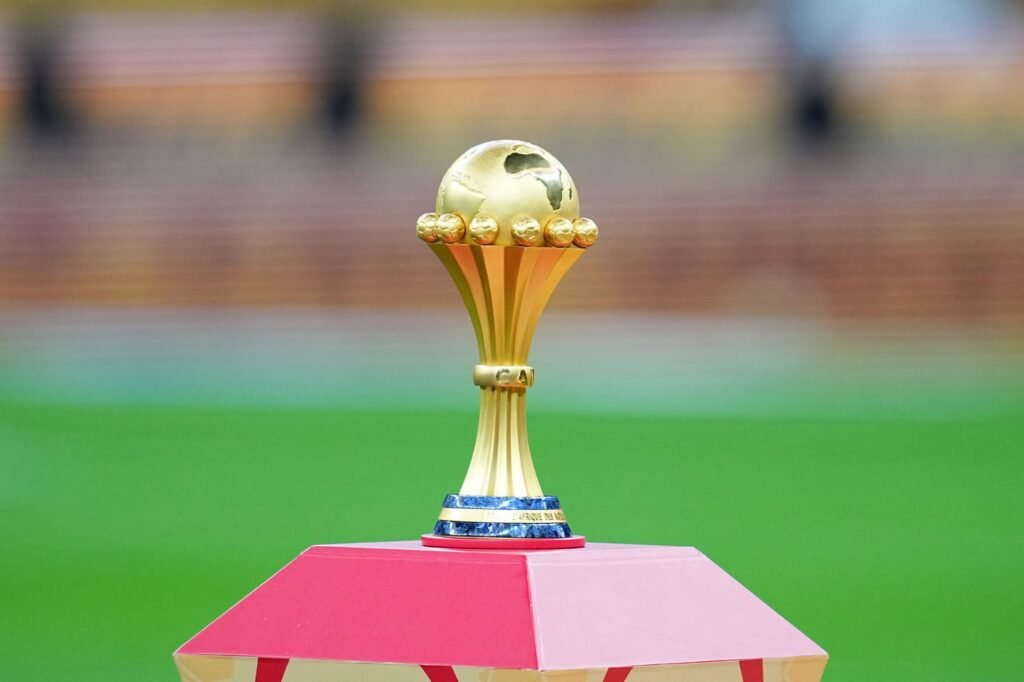
Marrakech – The Confederation of African Football (CAF) did what it had to do. By stripping Senegal of the 2025 Africa Cup of Nations (AFCON) title and declaring Morocco rightful champions, the continental body pulled African football back from the edge of a dangerous precedent – one where a team could walk off the pitch, hold a final hostage and still walk away with the trophy.
The decision sent shockwaves far beyond the pitch. But more than that, it restored order to a competition that had been robbed of its integrity on January 18. Across the global betting industry, sportsbooks and prediction markets now find themselves on opposite sides of an unprecedented dilemma: who actually won?
On Tuesday, CAF’s Appeal Board ruled that Senegal forfeited the January 18 final by walking off the pitch without the referee’s permission. The board cited Articles 82 and 84 of the tournament’s regulations and recorded the result as 3-0 in favor of Morocco. The original 1-0 Senegal victory, secured through Pape Gueye’s extra-time goal, was wiped from the record.
That ruling has forced bookmakers into a corner. Most had already settled bets in January, paying out punters who backed Senegal. Now, with a new official winner, the question became whether to pay out again on Morocco.
Several did exactly that.
Paddy Power moved first. The Irish sportsbook, owned by FanDuel parent Flutter Entertainment, announced what it called a “JUSTICE PAYOUT” on social media. The firm confirmed the payout applies to both single and multiple bets, with no maximum stake. “Following this massive decision to crown Morocco as AFCON champions, we felt it was only right that our customers were also rewarded,” Paddy Power said.
Sky Bet followed shortly after, confirming it had settled bets on Morocco as outright winners. The British platform effectively honored wagers on both sides. Punters who backed Senegal in January kept their winnings. Those who backed Morocco got paid too. A rare scenario where everyone walked away a winner.
Betfair, Betclic, and BoyleSports joined the trend. Brian O’Keeffe, a spokesperson for BoyleSports, confirmed to the Press Association that his firm would also settle Morocco bets. Betfair and Betclic moved in the same direction. All now face a double-payout scenario, having already paid out on Senegal weeks earlier.
The financial hit is significant. Most major firms opted to absorb the loss rather than attempt to claw back winnings from Senegal backers. The priority, for now, is customer goodwill.
Not everyone agreed, however.
BetMGM said it would not change any payouts. “Per house rules, all bets are settled based on the results on the pitch/field,” a spokesperson said. The platform treated the on-field outcome as final, regardless of CAF’s subsequent ruling.
Kalshi, a prediction market where users had traded nearly $2 million on the match, took a similar stance. “The market resolution stands as is – there is a specific rule that accounts for this in the contract that states if the result of the achievement is reversed or changed after the contract expires, it does not affect the resolution,” a Kalshi spokesperson told Front Office Sports.
Users on both Kalshi and rival platform Polymarket, which saw close to $3 million in trading volume, left comments requesting refunds. Neither platform obliged.
Fanatics Sportsbook carved out a middle path. The platform honored wagers on the original result per its house rules but also paid out any straight or parlay bets that would have hit with a Morocco win.
FanDuel and DraftKings did not respond to requests for comment, as reported by Front Office Sports.
The split across the industry indicates a question sportsbooks rarely have to confront. Bets are almost always settled at the final whistle. Title reversals months after a final are virtually unheard of. This is the first time an AFCON winner has been stripped of the trophy long after the match was completed.
CAF’s ruling itself followed weeks of legal back-and-forth. An initial disciplinary hearing in January resulted only in fines and suspensions for both federations. The Moroccan federation (FRMF) appealed, arguing that Senegal’s walkout constituted a clear violation of tournament rules.
The Appeal Board agreed, annulled the earlier decision, and declared the forfeit. By doing so, the continental body finally chose the rules over the chaos, saved the credibility of its own competition, corrected what many had called one of the gravest injustices in the tournament’s history, and drew a line that should have been drawn in January.
The Senegalese Football Federation labeled the verdict a “travesty” and confirmed it will take the case to the Court of Arbitration for Sport.
For the betting world, the fallout may linger just as long. The episode has exposed a gap in how platforms handle post-competition reversals – and set a costly precedent that bookmakers will not soon forget.