


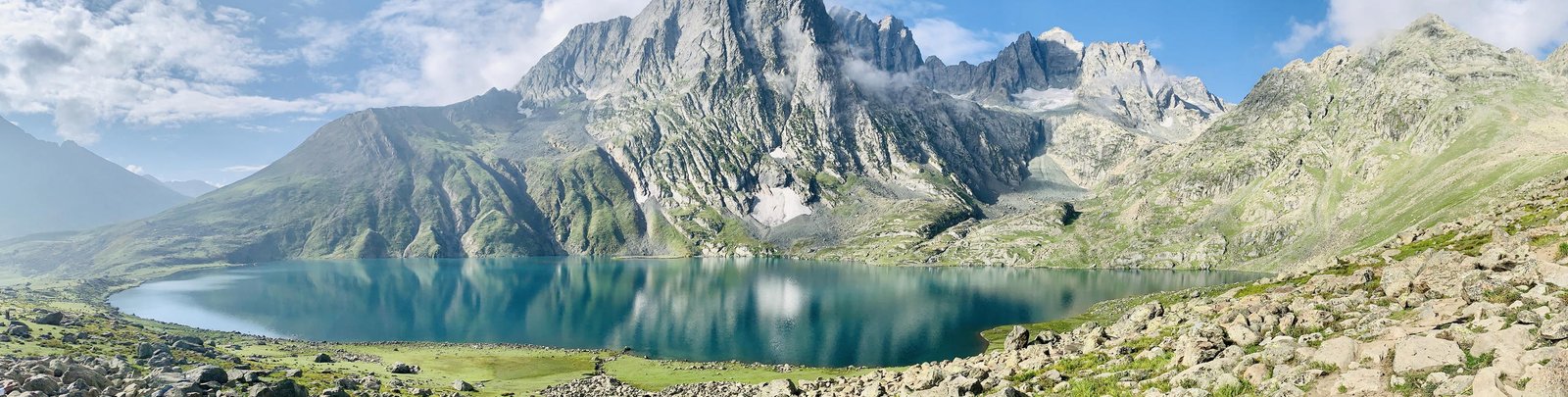
Trekking, the art of embarking on long, adventurous journeys on foot through challenging terrains, is a pursuit that has captured the hearts of outdoor enthusiasts around the world. From lush forests to rugged mountains and remote deserts, treks offer a unique opportunity to immerse oneself in the beauty of nature while testing physical and mental limits.
Connecting with Nature
One of the most rewarding aspects of trekking is the chance to connect with nature in a profound way. As you traverse diverse landscapes, from towering peaks to meandering valleys, you become attuned to the sights, sounds, and scents of the natural world. The rhythmic sound of your footsteps on a forest trail or the panoramic view from a mountain summit can evoke a sense of peace and wonder that is unmatched.
Physical and Mental Challenge
Trekking is not merely a leisurely stroll; it is a physical and mental challenge that pushes you beyond your comfort zone. The steep ascents, rocky paths, and unpredictable weather conditions demand strength, endurance, and resilience. Overcoming these obstacles fosters a sense of accomplishment and self-discovery as you realise your own capabilities and limitations.
Exploring Remote Landscapes
One of the greatest joys of trekking is exploring remote landscapes that are inaccessible by other means. Whether you’re hiking through dense rainforests teeming with wildlife or traversing high-altitude passes with breathtaking views, each trek offers a unique adventure filled with discovery and awe-inspiring moments.
Camaraderie and Community
Trekking often brings together like-minded individuals who share a passion for adventure and exploration. Whether you’re trekking solo or joining a group expedition, the camaraderie forged on the trail creates lasting bonds and memories. Sharing stories around a campfire or supporting each other through challenging terrain fosters a sense of community that transcends borders and cultures.
Preserving Natural Environments
As trekkers venture into pristine wilderness areas, it is essential to promote responsible trekking practices that minimise impact on the environment. Respecting local flora and fauna, following designated trails, and practicing Leave No Trace principles are crucial steps towards preserving natural ecosystems for future generations to enjoy.
Embark on Your Trekking Adventure
Whether you’re an experienced mountaineer seeking new summits to conquer or a novice hiker looking to explore gentle trails close to home, there is a trekking adventure waiting for you. Lace up your boots, pack your essentials, and set out into the great outdoors to experience the thrill of trekking firsthand.
Essential Trekking FAQs: Gear, Preparation, Destinations, and Safety
- 1. What gear do I need for a trek?
- 2. How do I prepare physically for a trek?
- 3. What are the best trekking destinations in the UK?
- 4. Are guided treks better than self-guided treks?
- 5. How can I stay safe while trekking in remote areas?
- 6. What is the ideal duration for a beginner’s trek?
- 7. How do I choose the right trekking route for my fitness level?
- 8. Are there any age restrictions for participating in treks?
1. What gear do I need for a trek?
When preparing for a trek, it is essential to have the right gear to ensure a safe and enjoyable journey through the wilderness. Some key items to consider packing include sturdy hiking boots for traction and support, weather-appropriate clothing such as moisture-wicking layers and a waterproof jacket, a comfortable backpack to carry essentials like water, snacks, and a first aid kit, navigation tools such as a map and compass or GPS device, sun protection like sunglasses and sunscreen, and adequate food and water supplies. Additionally, depending on the length and difficulty of the trek, items like a tent for camping, sleeping bag, cooking equipment, and emergency communication devices may also be necessary. Proper gear preparation is crucial in helping trekkers stay prepared for any challenges they may encounter along the trail.
2. How do I prepare physically for a trek?
Preparing physically for a trek is essential to ensure a safe and enjoyable experience in the great outdoors. Begin by incorporating regular cardiovascular exercises such as walking, running, or cycling into your routine to build endurance. Strength training focusing on core muscles, legs, and back will help you tackle steep ascents and uneven terrain. It’s also important to gradually increase the intensity and duration of your workouts to mimic the demands of trekking. Don’t forget to stay hydrated, maintain a balanced diet rich in energy-boosting foods, and invest in proper hiking gear to support your body during long treks. By conditioning your body beforehand, you’ll be better equipped to take on the challenges of the trail and fully appreciate the natural wonders that await you.
3. What are the best trekking destinations in the UK?
When it comes to the best trekking destinations in the UK, nature enthusiasts are spoilt for choice. From the rugged peaks of the Scottish Highlands to the picturesque trails of the Lake District and the coastal paths of Cornwall, the UK offers a diverse range of trekking opportunities for adventurers of all levels. Each region boasts its own unique charm and challenges, inviting hikers to explore stunning landscapes, historic sites, and hidden gems along the way. Whether you seek a challenging ascent or a leisurely stroll through scenic countryside, the UK’s trekking destinations promise unforgettable experiences amidst natural beauty.
4. Are guided treks better than self-guided treks?
When considering the choice between guided treks and self-guided treks, it ultimately depends on individual preferences and experience levels. Guided treks offer the expertise of local guides who provide insights into the terrain, culture, and history of the area, enhancing the overall trekking experience. On the other hand, self-guided treks provide a sense of independence and flexibility, allowing trekkers to set their own pace and explore at their leisure. Both options have their merits, with guided treks offering structured support and safety measures, while self-guided treks offer a more personalised adventure tailored to individual preferences.
5. How can I stay safe while trekking in remote areas?
When embarking on treks in remote areas, ensuring safety is paramount. To stay safe during your trekking adventures, it is crucial to adequately prepare by researching the terrain, weather conditions, and potential risks of the area you plan to explore. Packing essential supplies such as navigation tools, first aid kits, extra food and water, and appropriate clothing for varying weather conditions is vital. Additionally, informing others of your itinerary and expected return time, as well as carrying communication devices like a mobile phone or satellite tracker can help in case of emergencies. Being aware of wildlife encounters, staying on designated trails, and following safety guidelines provided by experienced guides or local authorities are also key practices to ensure a safe and enjoyable trekking experience in remote areas.
6. What is the ideal duration for a beginner’s trek?
For beginners embarking on their first trek, the ideal duration can vary depending on individual fitness levels, experience, and the complexity of the trail. Generally, a beginner’s trek typically ranges from one to three days to allow for gradual acclimatisation to hiking and camping in outdoor environments. This timeframe provides enough time to experience the joys of trekking while ensuring that beginners can build confidence and stamina without feeling overwhelmed. It’s crucial for novices to start with shorter treks before progressing to longer and more challenging expeditions to fully enjoy the journey and appreciate the natural beauty surrounding them.
7. How do I choose the right trekking route for my fitness level?
When considering how to select the appropriate trekking route based on your fitness level, it is essential to assess your physical capabilities honestly. Evaluate factors such as endurance, strength, and previous hiking experience to determine the level of challenge you can comfortably undertake. Researching the terrain, elevation gain, and distance of potential routes can help in matching your fitness level with a suitable trek. Consulting with experienced trekkers or local guides for recommendations tailored to your abilities can also assist in choosing a route that provides an enjoyable yet manageable adventure. Remember, prioritising safety and enjoyment is key when selecting the right trekking route for your fitness level.
8. Are there any age restrictions for participating in treks?
Age restrictions for participating in treks can vary depending on the difficulty level and nature of the trek. While some treks may have minimum age requirements for safety reasons, others may be suitable for participants of all ages with varying levels of fitness and experience. It is important to carefully review the specific guidelines provided by trek organisers to ensure that participants meet any age restrictions and are adequately prepared for the challenges ahead. Additionally, consulting with healthcare professionals before embarking on a trek can help individuals assess their physical readiness and make informed decisions about their participation.
