


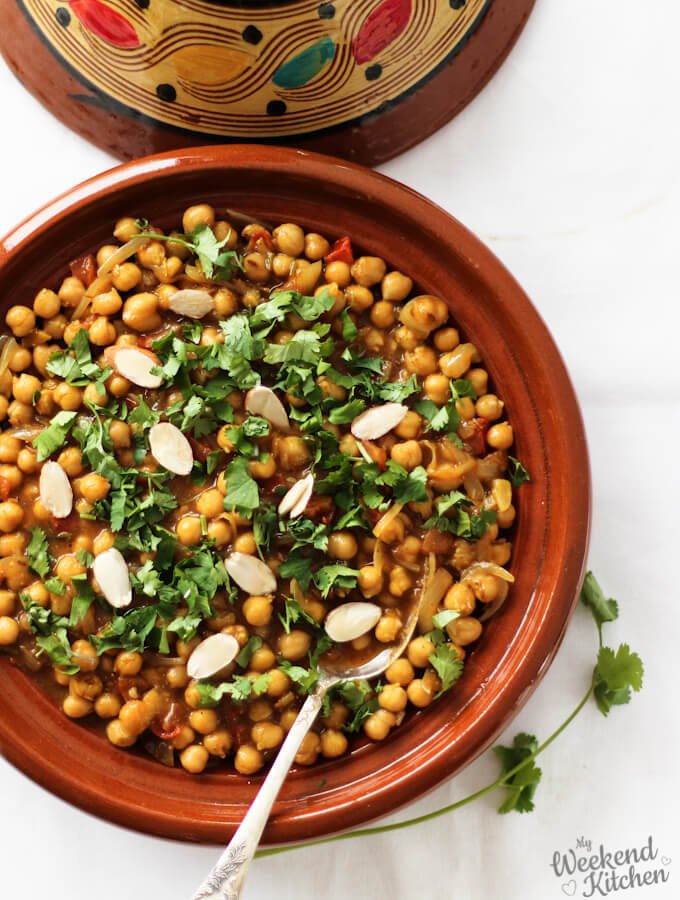
Tagine, a traditional North African dish named after the earthenware pot it is cooked in, is a culinary delight that has captured the hearts and taste buds of food enthusiasts around the world. This slow-cooked stew is not just a meal—it’s an experience that transports you to the vibrant markets and aromatic kitchens of Morocco.
Ingredients and Flavours
A typical tagine consists of tender meat (such as lamb, chicken, or beef), vegetables (like carrots, potatoes, and tomatoes), dried fruits (apricots, prunes), and a blend of exotic spices such as cumin, paprika, cinnamon, and saffron. The combination of these ingredients creates a symphony of flavours that are both comforting and exotic.
Cooking Method
The magic of tagine lies in its cooking method. The conical shape of the tagine pot allows for steam to circulate during cooking, ensuring that the ingredients are tenderized and infused with all the rich flavours. Traditionally cooked over charcoal or on a low flame, tagine is a slow-cooked dish that requires patience but rewards you with succulent bites bursting with taste.
Serving and Enjoying
Tagine is not just about eating—it’s about sharing a meal with loved ones. The communal act of gathering around a steaming tagine pot, breaking bread together, and savouring each bite creates an atmosphere of warmth and togetherness. Tagine is often served with couscous or crusty bread to soak up the delicious sauces.
Global Appeal
While tagine has its roots in Morocco, its popularity has spread far beyond North Africa. Restaurants around the world offer their own interpretations of this iconic dish, adapting it to local tastes while preserving its essence. Whether you’re in Marrakech or London, you can indulge in the aromatic pleasures of tagine.
Conclusion
Tagine food isn’t just about sustenance—it’s about celebrating culture, tradition, and the artistry of culinary craftsmanship. From its tantalising aromas to its complex flavours, tagine embodies the spirit of Moroccan cuisine and invites you on a sensory journey like no other.
Exploring the Delights of Tagine: 9 Reasons to Savour This Global Culinary Treasure
- Tender and flavourful meat cooked to perfection
- Aromatic blend of spices that tantalise the senses
- Healthy dish with a variety of vegetables and lean meats
- Slow-cooking method enhances the depth of flavours
- Versatile recipe that can be customised to personal preferences
- Communal dining experience that fosters togetherness
- Exotic ingredients like dried fruits add a unique sweetness
- Traditional cooking vessel adds authenticity to the dish
- Global appeal with adaptations in various cuisines worldwide
Challenges of Cooking Tagine: Time, Tools, and Taste Preferences
- Long cooking time
- Specialized cookware
- Limited protein options
- High calorie content
- Complex spice blends
- Not ideal for picky eaters
Tender and flavourful meat cooked to perfection
Indulge in the exquisite pleasure of tender and flavourful meat cooked to perfection in a traditional tagine. The slow cooking process allows the meat to become irresistibly tender, soaking up the aromatic blend of spices and ingredients to create a dish that is not just a meal but a culinary masterpiece. Each succulent bite is a testament to the artistry and care put into preparing tagine food, ensuring that every morsel is bursting with rich, complex flavours that leave a lasting impression on your palate.
Aromatic blend of spices that tantalise the senses
The aromatic blend of spices used in tagine food is a pro that truly tantalises the senses. With a harmonious mix of cumin, paprika, cinnamon, saffron, and more, each bite of tagine offers a sensory explosion that transports you to the bustling markets and fragrant kitchens of Morocco. These spices not only add depth and complexity to the dish but also create an unforgettable culinary experience that delights the palate and leaves a lasting impression on all who savour it.
Healthy dish with a variety of vegetables and lean meats
Tagine food offers a delicious and healthy dining option with its emphasis on a variety of vegetables and lean meats. Packed with nutrients and low in fat, this traditional North African dish provides a balanced meal that is as good for your body as it is for your taste buds. The combination of fresh vegetables and tender meats not only adds depth to the flavours but also ensures that you’re getting a wholesome and satisfying culinary experience. Whether you’re indulging in a vegetable tagine bursting with vibrant colours or savouring a lean meat variation, tagine food proves that eating healthily can be a delightful journey for your palate.
Slow-cooking method enhances the depth of flavours
The slow-cooking method employed in tagine food preparation is a culinary marvel that elevates the depth of flavours to new heights. As the ingredients simmer and meld together over a gentle heat, the rich spices, tender meats, and vibrant vegetables release their essences gradually, creating a symphony of taste that is both complex and harmonious. This gradual infusion of flavours results in a dish that is not just delicious but also showcases the artistry and patience involved in traditional Moroccan cooking techniques.
Versatile recipe that can be customised to personal preferences
Tagine food offers a versatile recipe that can be customised to suit individual preferences, making it a culinary delight for all tastes. Whether you prefer tender lamb infused with fragrant spices or a vegetarian medley of colourful vegetables and aromatic herbs, the beauty of tagine lies in its adaptability. With the ability to tailor the ingredients and seasonings to personal liking, tagine allows each cook to create a dish that reflects their unique palate and culinary creativity.
Communal dining experience that fosters togetherness
Indulging in tagine food is not just a culinary delight but also a social affair that fosters togetherness and strengthens bonds. The communal dining experience of sharing a steaming tagine pot with loved ones creates an intimate atmosphere where conversations flow, laughter fills the air, and memories are made. Breaking bread together over a fragrant tagine dish encourages connection and unity, making every meal a heartwarming celebration of friendship and family ties.
Exotic ingredients like dried fruits add a unique sweetness
In the realm of tagine cuisine, one standout pro lies in the incorporation of exotic ingredients such as dried fruits, which impart a distinctive sweetness to the dish. The marriage of succulent meats, hearty vegetables, and fragrant spices with the subtle, natural sweetness of dried fruits creates a harmonious balance of flavours that elevates the culinary experience to new heights. This infusion of sweetness adds depth and complexity to tagine food, transforming each bite into a symphony of taste sensations that delight the palate and evoke a sense of culinary adventure.
Traditional cooking vessel adds authenticity to the dish
The use of the traditional tagine cooking vessel adds a sense of authenticity to the dish, elevating the culinary experience to a whole new level. The unique conical shape of the tagine pot not only enhances the visual appeal of the meal but also plays a crucial role in infusing the ingredients with rich, complex flavours. Cooking in a tagine allows for slow and even heat distribution, ensuring that each bite is tender, succulent, and bursting with the essence of Moroccan cuisine. This ancient cooking method not only honours tradition but also brings a touch of history and culture to every dish served in a tagine.
Global appeal with adaptations in various cuisines worldwide
The global appeal of tagine food lies in its ability to adapt and thrive in various cuisines around the world. From the bustling streets of Marrakech to the cosmopolitan cities of Europe and beyond, chefs and home cooks have embraced the essence of tagine while adding their own unique twists. Whether it’s a fusion with local ingredients or a creative reinterpretation of traditional recipes, the versatility of tagine allows it to transcend cultural boundaries and delight taste buds across continents.
Long cooking time
One drawback of tagine food is the long cooking time it demands. Tagine dishes are known for their slow-cooking method, which involves simmering ingredients over a low flame for an extended period. This meticulous process can be time-consuming and may not fit well into busy schedules or when quick meals are needed. However, the patience invested in preparing a tagine is rewarded with rich, complex flavours that develop over time, making it a culinary experience worth savouring.
Specialized cookware
One drawback of preparing tagine food is the reliance on specialised cookware. Cooking tagine traditionally demands the use of a specific earthenware pot designed for slow-cooking and retaining moisture, which might not be easily accessible in every kitchen. This requirement for a unique cooking vessel could pose a challenge for those who do not have the traditional tagine pot on hand, potentially limiting the authentic preparation of this beloved North African dish.
Limited protein options
For those following a vegetarian or vegan diet, the limited protein options in traditional tagine recipes can pose a challenge. While tagine typically features lamb, chicken, or beef as the main protein sources, individuals adhering to plant-based diets may find themselves searching for suitable alternatives to achieve a balanced meal. This aspect of tagine cuisine highlights the need for creative substitutions and innovative ingredient choices to cater to diverse dietary preferences and ensure that everyone can savour the essence of this iconic North African dish.
High calorie content
Some tagine recipes may pose a con in terms of their high calorie content. This is often attributed to the inclusion of fatty meats and oils in the cooking process, which can significantly increase the overall caloric intake of the dish. While tagine is known for its rich and indulgent flavours, individuals seeking to maintain a balanced diet may need to exercise moderation when enjoying this traditional North African delicacy to avoid excessive caloric consumption.
Complex spice blends
For individuals who lean towards simpler or milder flavour profiles, the intricate spice blends found in tagine dishes may present a culinary challenge. The diverse array of spices, from cumin to saffron, can create a robust and complex taste that might not resonate with those seeking more subtle tastes. The bold and aromatic nature of these spice combinations is a defining feature of tagine cuisine, catering to those with a penchant for adventurous and multi-layered flavours.
Not ideal for picky eaters
For picky eaters, tagine food may not be the ideal choice due to its unique combination of ingredients such as dried fruits and exotic spices. The complex flavours and textures present in tagine dishes may not align with the preferences of those who are selective about their food choices. While tagine is celebrated for its rich and aromatic profile, it may pose a challenge for individuals with more limited culinary tastes.
