


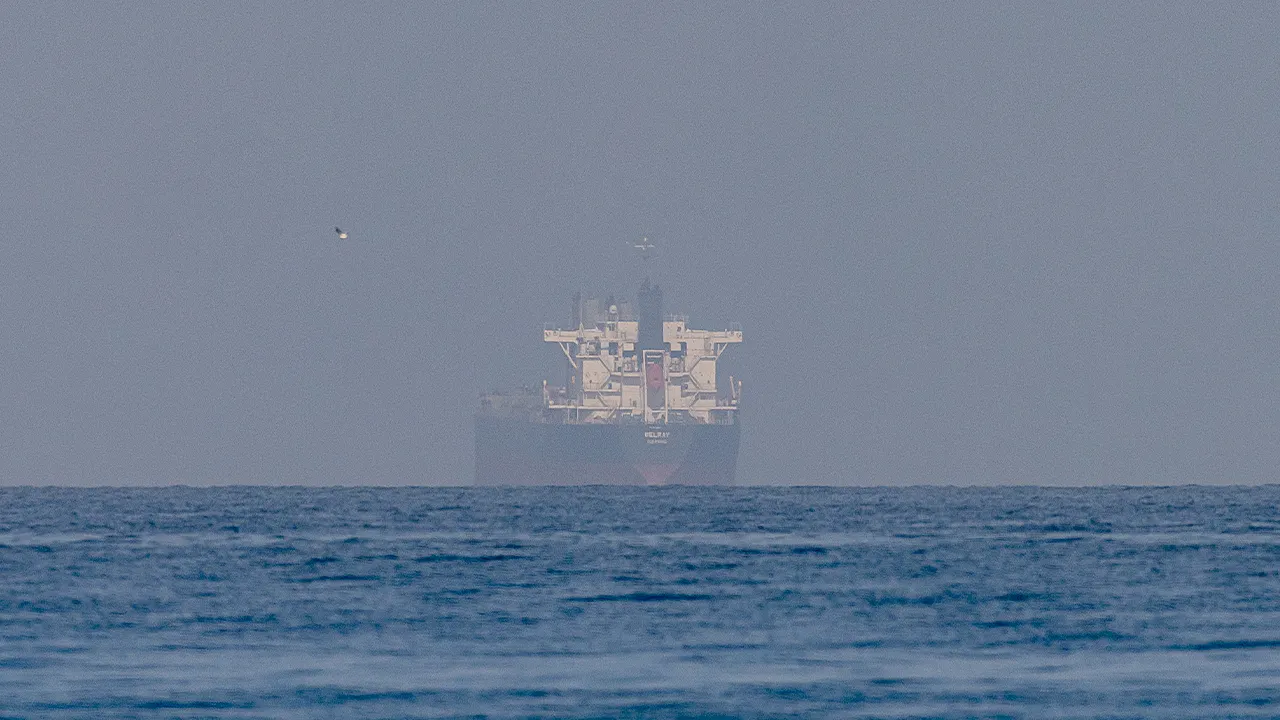
Rabat – Tensions in the Middle East are still high despite a series of ceasefire announcements and the reopening of one of the world’s most important shipping routes, the Strait of Hormuz.
Iran’s foreign minister said the strait is now “completely open” to commercial vessels for the duration of the current ceasefire. The announcement follows weeks of disruption after Iran restricted access to the narrow waterway during its war with the US and Israel.
Shortly after the statement, US President Donald Trump posted online thanking Iran, but added that a US naval blockade targeting Iranian ports would remain in place until a full peace agreement is reached.
The Strait of Hormuz is a critical global energy route. Around 20% of the world’s oil and liquefied natural gas passes through it each day. It connects the Gulf to the Arabian Sea and is used by major producers including Saudi Arabia, Iraq, and the United Arab Emirates. Because there are few alternative routes, any disruption quickly affects global markets.
Following Iran’s announcement, oil prices dropped sharply, with Brent crude falling below $90 a barrel after earlier rising close to $100. Stock markets in Europe and the US also recorded gains that reflect cautious optimism among investors.
However, security experts say it is still unclear whether Iran will impose conditions on ships, such as forcing them to follow specific routes or undergo inspections. There are also questions about whether military vessels will have full access. The US Navy’s Fifth Fleet, based in Bahrain, operates inside the Gulf and would be directly affected by any restrictions.
Read also: Trump Says Iran War ‘Close to Over’ as Blockade on Hormuz Strait Tightens
At the same time, a separate 10-day ceasefire between Israel and Lebanon has brought temporary relief after six weeks of relentless Israeli attacks. Israel has killed more than 2,000 people in Lebanon and displaced about one in five residents. Israel reports that two civilians and 13 soldiers were killed on its side.
Despite celebrations in cities like Sidon and Beirut, the truce is fragile. Israeli officials say their “military campaign” against Hezbollah is not complete, while the group has refused to disarm. Lebanese authorities have called the ceasefire an opportunity for negotiations but warned that it must not be wasted.
International leaders, including Emmanuel Macron and Keir Starmer, have welcomed the reopening of the strait and called for it to remain free of restrictions. Plans are also underway for a multinational naval mission to protect shipping in the area.
