


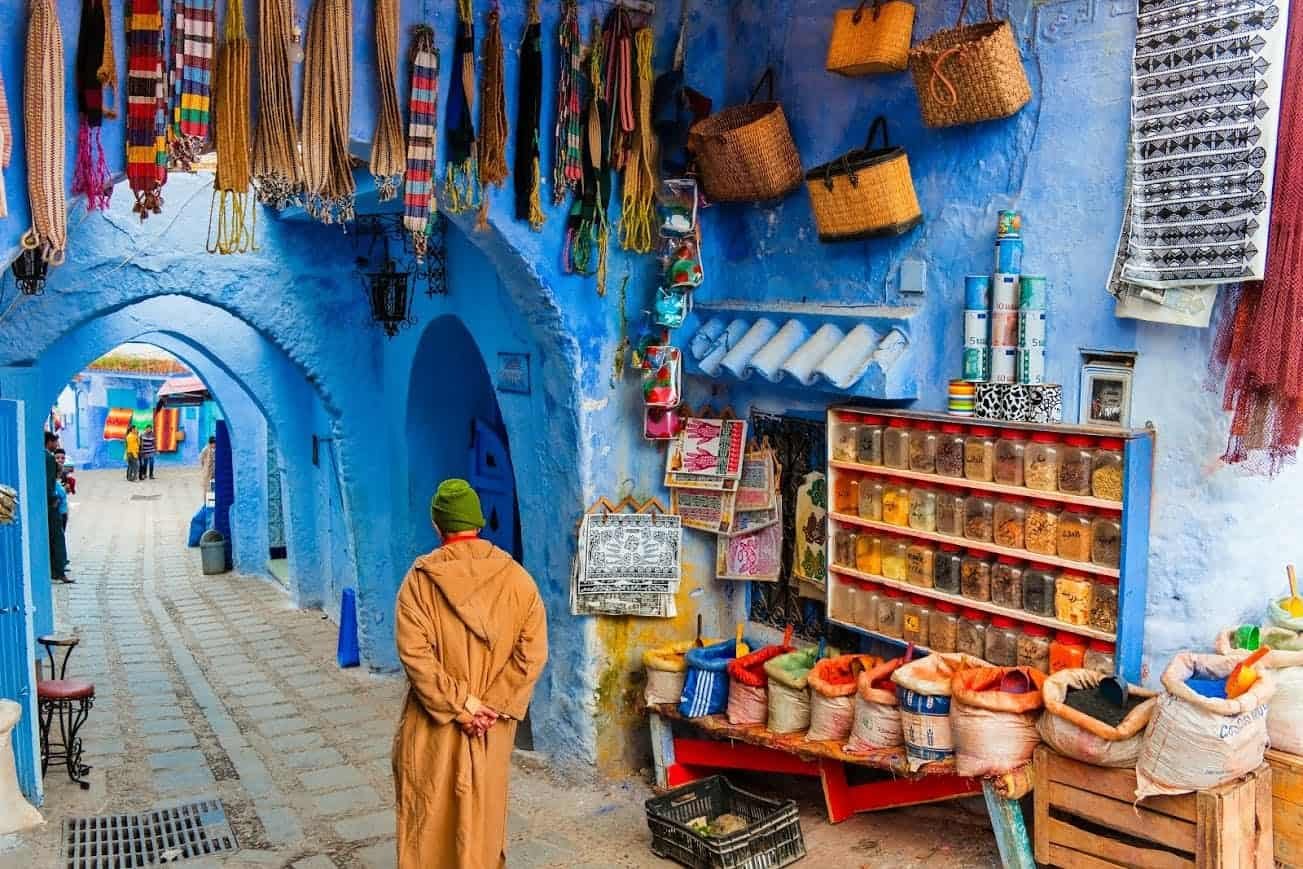
Morocco, a country known for its vibrant culture and deep-rooted traditions, offers a captivating blend of influences from Berber, Arab, and European heritage. From the bustling souks to the tranquil riads, every corner of Morocco exudes a unique charm that reflects its rich history and diverse population.
Traditional Dress
One of the most striking aspects of Moroccan culture is its traditional dress. The djellaba, a long robe with a hood, is commonly worn by both men and women. Women often adorn themselves with intricate jewellery and vibrant scarves, while men opt for the fez hat as a symbol of tradition.
Cuisine
Moroccan cuisine is a tantalising fusion of flavours and spices that reflect the country’s diverse cultural influences. Tagines, couscous, and pastilla are just a few examples of traditional dishes that showcase the culinary expertise of Moroccan chefs. Mint tea is also an integral part of Moroccan hospitality.
Art and Architecture
The art and architecture of Morocco are a testament to the country’s rich cultural heritage. Intricate tile work, colourful mosaics, and ornate wood carvings can be found in mosques, palaces, and traditional houses known as riads. The craftsmanship in Moroccan artistry is truly awe-inspiring.
Festivals and Celebrations
Morocco boasts a calendar full of vibrant festivals and celebrations that reflect its diverse religious and cultural traditions. From the lively music festival in Essaouira to the spiritual pilgrimage to Moulay Idriss Zerhoun, these events offer visitors a glimpse into the heart of Moroccan culture.
Hospitality
Moroccan hospitality is legendary. Visitors are welcomed with open arms into homes adorned with intricate rugs and cushions where they are served sweet mint tea as a gesture of friendship. The concept of “Baraka” or blessings plays an important role in Moroccan hospitality.
Conclusion
The culture and customs of Morocco are as diverse as they are fascinating. From colourful textiles to intricate architecture, from aromatic spices to warm hospitality—the essence of Morocco lies in its ability to enchant visitors with its rich tapestry of traditions. Exploring this North African gem is not just a journey; it’s an immersive experience into a world where ancient customs meet modern influences.
Exploring Moroccan Culture: Traditions, Customs, and Etiquette Explained
- What are the traditional dress styles in Morocco?
- How is Moroccan cuisine influenced by different cultures?
- What are the key features of Moroccan art and architecture?
- Can you explain the significance of festivals and celebrations in Morocco?
- What is the concept of hospitality like in Moroccan culture?
- Are there any specific customs or etiquette I should be aware of when visiting Morocco?
- How do Moroccans celebrate major life events such as weddings and births?
- What role does religion play in shaping Moroccan culture and customs?
- How can tourists respectfully engage with local traditions and practices in Morocco?
What are the traditional dress styles in Morocco?
Traditional dress styles in Morocco are a vibrant reflection of the country’s rich cultural heritage. One of the most iconic garments is the djellaba, a long robe with a hood that is worn by both men and women. Women often accessorise their attire with colourful scarves and intricate jewellery, while men may don the traditional fez hat as a symbol of tradition. These traditional dress styles not only showcase the craftsmanship and artistry of Moroccan textiles but also embody the unique blend of Berber, Arab, and European influences that define Moroccan fashion.
How is Moroccan cuisine influenced by different cultures?
Moroccan cuisine is a culinary tapestry woven with influences from various cultures, creating a flavourful and diverse gastronomic experience. The country’s cuisine reflects a blend of Berber, Arab, Moorish, and Mediterranean flavours, each contributing unique elements to traditional dishes. Spices such as cumin, paprika, and saffron add depth and richness to tagines and couscous, while preserved lemons and olives bring a tangy twist to salads and stews. The use of almonds, dates, and honey in both savoury and sweet dishes showcases the influence of Arab culinary traditions. Additionally, the Moorish legacy can be seen in the intricate pastries and desserts that grace Moroccan tables. This fusion of cultural influences creates a vibrant culinary landscape that is both delicious and distinctive to Morocco.
What are the key features of Moroccan art and architecture?
Moroccan art and architecture are characterised by their intricate details, vibrant colours, and rich cultural influences. Key features of Moroccan art include elaborate tile work, colourful mosaics, and ornate wood carvings that adorn mosques, palaces, and traditional houses. The geometric patterns and floral motifs often seen in Moroccan art reflect the country’s Islamic heritage. In architecture, the use of arches, domes, and courtyards is prevalent, creating a sense of harmony and tranquillity in both religious and secular buildings. The fusion of Berber, Arab, and Moorish styles in Moroccan art and architecture results in a visually stunning landscape that showcases the country’s unique artistic identity.
Can you explain the significance of festivals and celebrations in Morocco?
Festivals and celebrations hold a significant place in Moroccan culture, serving as vibrant expressions of the country’s diverse traditions and heritage. These events play a crucial role in uniting communities, honouring religious observances, and showcasing the artistic talents of the Moroccan people. From the colourful processions of Mawazine Music Festival to the spiritual pilgrimage of Eid al-Adha, each festival offers a window into Morocco’s rich tapestry of customs and beliefs. Through music, dance, feasting, and rituals, Moroccans come together to celebrate their shared identity and express gratitude for their cultural roots. Festivals in Morocco are not just events; they are moments of joy, reflection, and connection that highlight the country’s deep sense of tradition and community spirit.
What is the concept of hospitality like in Moroccan culture?
In Moroccan culture, the concept of hospitality is deeply ingrained and holds significant importance. Known for their warm and welcoming nature, Moroccans take pride in treating guests with utmost respect and generosity. Hospitality in Morocco goes beyond mere politeness; it reflects a genuine desire to make visitors feel at home and valued. From serving traditional mint tea as a symbol of friendship to inviting guests into intricately decorated homes, Moroccans embrace the concept of “Baraka,” believing that blessings are bestowed upon those who show hospitality. This cultural trait not only fosters connections but also showcases the genuine kindness and openness that define the essence of Moroccan hospitality.
Are there any specific customs or etiquette I should be aware of when visiting Morocco?
When visiting Morocco, it is essential to be mindful of certain customs and etiquette to ensure a smooth and respectful experience. One important aspect is dressing modestly, especially in more conservative areas, to show respect for the local culture. It is customary to greet others with a handshake and maintain eye contact during conversations as a sign of courtesy. Additionally, when invited into a Moroccan home, it is polite to accept tea or snacks offered as a gesture of hospitality. Being aware of these customs can help visitors navigate the cultural nuances and make meaningful connections during their time in Morocco.
How do Moroccans celebrate major life events such as weddings and births?
In Morocco, major life events such as weddings and births are celebrated with great joy and elaborate ceremonies that reflect the country’s rich cultural traditions. Weddings, in particular, are significant occasions that bring together families and communities in extravagant festivities that can last for days. Traditional Moroccan weddings often feature colourful decorations, lively music and dancing, and sumptuous feasts of delicious Moroccan cuisine. The birth of a child is also a momentous occasion celebrated with rituals that vary across regions but typically involve gatherings of family and friends to offer blessings and gifts to the newborn and their parents. These celebrations not only mark important milestones in the lives of Moroccans but also serve as opportunities to strengthen bonds within the community and honour age-old customs passed down through generations.
What role does religion play in shaping Moroccan culture and customs?
Religion plays a significant role in shaping Moroccan culture and customs, with Islam being the predominant faith followed by the majority of Moroccans. Islamic principles influence various aspects of daily life in Morocco, from traditional dress codes to social norms and practices. The call to prayer echoing from minarets punctuates the rhythm of Moroccan cities, while mosques serve as not just places of worship but also community hubs. Ramadan, the holy month of fasting, is observed fervently across the country, with families coming together for special meals after sunset. The values of hospitality, charity, and respect are deeply rooted in Islamic teachings and are reflected in the warm welcome extended to visitors in Moroccan homes. Overall, religion acts as a guiding force that shapes the moral compass and cultural identity of the Moroccan people.
How can tourists respectfully engage with local traditions and practices in Morocco?
When visiting Morocco, tourists can respectfully engage with local traditions and practices by embracing the cultural norms and customs of the country. It is essential for visitors to dress modestly, especially when entering religious sites or rural areas, to show respect for local beliefs. Learning a few basic Arabic phrases and greetings can go a long way in fostering positive interactions with locals. Additionally, participating in traditional activities such as henna painting or attending a local market (souk) can provide insight into Moroccan culture while supporting local artisans and businesses. By approaching the customs of Morocco with an open mind and a willingness to learn, tourists can create meaningful connections and contribute to the preservation of this vibrant heritage.
