


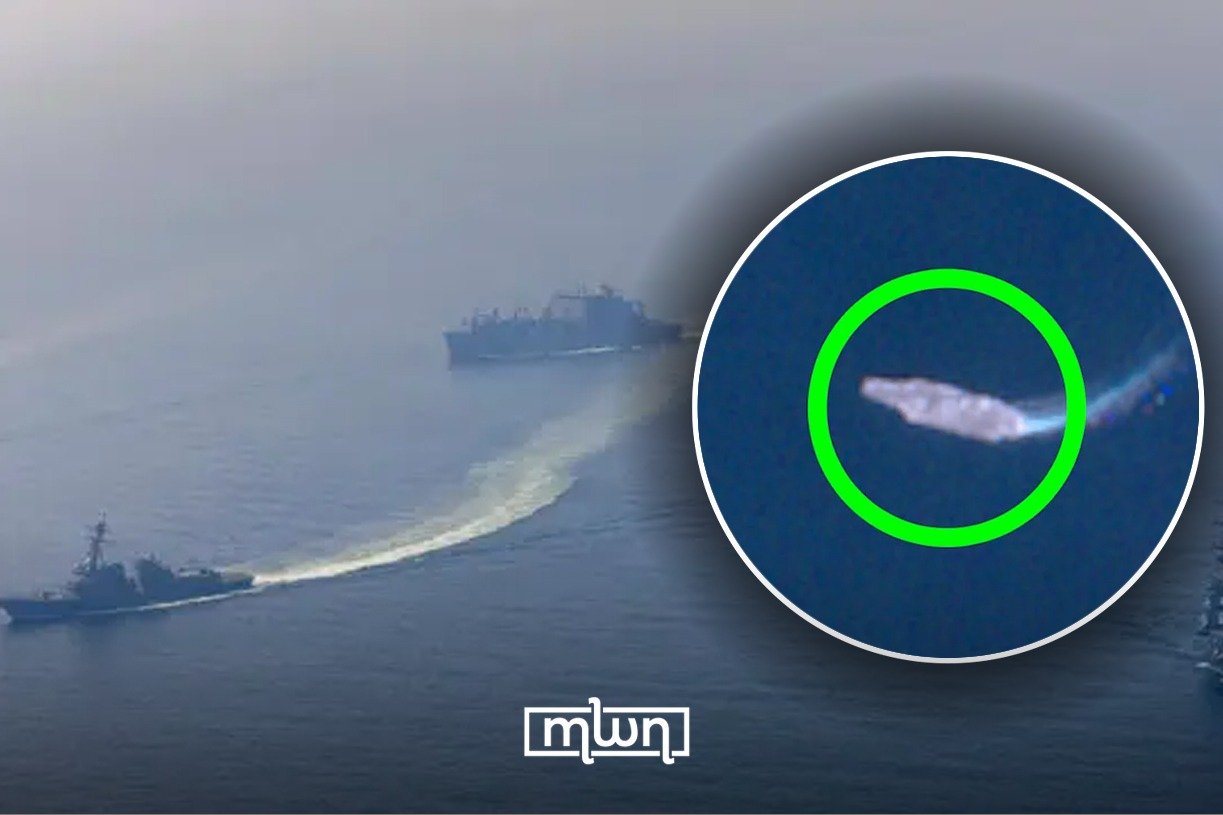
Rabat – After the US navy announced that it had entered the Gulf region three weeks ago, the BBC reported today the first spotting of the USS Abraham Lincoln using satellite imaging around 240km off the coast of Oman.
This spotting comes as the Iranian Foreign Minister Abbas Araghchi arrives in Geneva for the second round of increasingly high-stakes nuclear talks with the US.
“I am in Geneva with real ideas to achieve a fair and equitable deal,” Araghchi wrote on X on Monday. “What is not on the table: submission before threats.”
The renewed negotiations to ease decades-long strife over Tehran’s nuclear programme coincides with a US military build-up in the region, including a second aircraft carrier, with President Donald Trump saying a change of power in Iran “would be the best thing that could happen.”
Majid Takht-Ravanchi, Iran’s deputy foreign minister, discussed his concern for the US’ conflicting messages. “We are hearing that they are interested in negotiations,” he said. “They have said it publicly; they have said it in private conversations through Oman that they are interested to have these matters resolved peacefully.”
‘Bad for everybody’
Regarding the US military build-up and Trump’s statements, Takht-Ravanchi warned another war would be “traumatic, bad for everybody… everybody will suffer, particularly those who have initiated this aggression.”
Iran views Israel as a deterring force toward any peaceful resolution, largely evidenced by the latter’s 12 day attack which deteriorated Iran and US talks in June 2025.
Israeli Prime Minister Benjamin Netanyahu continues to voice his own set of conditions for any negotiations between Iran and the US.
On Sunday, Netanyahu told the Conference of Presidents of Major American Jewish Organizations that he had told Trump last week that any agreement must include several contingencies.
He demands that all enriched material leave Iran, that there be no enrichment capability, and most importantly that the issue of ballistic missiles be resolved.
Iran’s negotiators have been firm on Tehran’s refusal to discuss its ballistic missile programme with American negotiators.
The nuclear negotiations are set atop growing global backlash to Iran’s brutal crackdown on protestors. Hundreds of thousands of people around the world protested on Saturday in support of the anti-government demonstrations in Iran. The international rallies condemned the regime’s repression and the reported killing of at least 6,000 people.
Read also: US Iran Talks End ‘For Now’
