


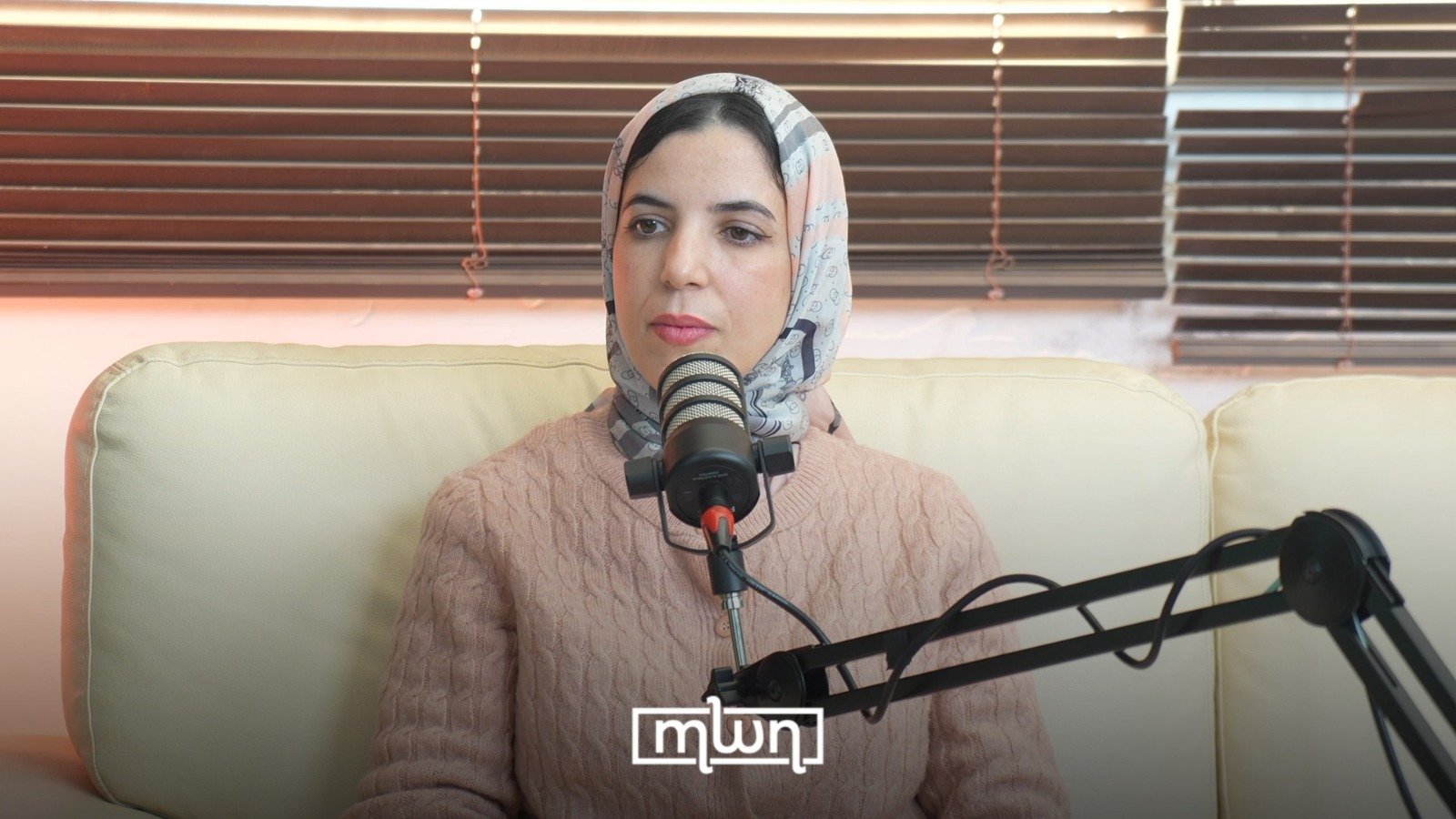
Agadir – For agronomist engineer Halima Lakhmissi, the argan tree is more than a source of oil. It is a rare ecosystem, a safety net for rural communities, and a defense against climate change, found only in Morocco.
Lakhmissi has worked at the National Agency for the Development of Oasis Areas and the Argan Tree (ANDZOA) since 2012. She now oversees the argan value chain.
Speaking on ANDZOA’s “Voice of Argan” podcast at the International Argan Tree Fair in Agadir, she explained how one tree connects the environment, the economy, and women’s lives.
“Argan is a tree you only find in Morocco. Its natural range stretches from Essaouira to Guelmim. That area is its life zone, and it carries social, economic, and environmental roles at the same time.”
Environmentally, the argan forest acts as a green barrier against desertification. The trees stabilize soil and help rainwater recharge groundwater. The argan zone is also rich in biodiversity, home to hundreds of animal species and more than a thousand plant species.
The tree also plays a role in climate action. Lakhmissi referred to a study by ANDZOA and the National Institute for Agronomic Research (INRA): “The argan tree helps absorb carbon dioxide and store it in its biomass and roots, and even in the surrounding soil,” she said. “It is an ally in the fight against climate change, not just an oil tree.”
Rising global demand for argan oil, used in both beauty and nutrition, has changed producing regions. “The strong worldwide demand for argan oil comes from its proven benefits for health and cosmetics.”
Lakhmissi continued: “This demand created a real economic dynamic in producing areas: many cooperatives and companies were born around this product.”
Women remain central to this dynamic. Traditionally, they collected the fruit and cracked the nuts at home to make oil for family use. “Women mastered the most delicate step of the process, cracking the argan nut,” she said. “It is a traditional skill passed from mother to daughter. That is why women are the most present link in the value chain.”
Men are now more involved in processing and marketing, but women still lead the early stages. For Lakhmissi, making sure they earn a fair income is a priority.
To improve quality and traceability, ANDZOA supports cooperatives with training, organization, and technical help. The agency is also working on projects to standardize the collection, storage, and cracking of argan fruit (afyach), so oil quality and origin can be guaranteed from the start.
Morocco’s persistent drought since 2018 has reduced yields and raised prices. In response, ANDZOA is planting 10,000 hectares of agricultural argan orchards to expand production and protect soils.
The International Argan Tree Fair, organized by ANDZOA, is another tool. Lakhmissi calls it a “platform” where cooperatives can meet clients, discover innovations, and learn from each other instead of only selling products.
In her final message on the podcast, she stressed the bigger picture: “The argan tree has a special place for Moroccans,” she said. “It carries social, environmental, and economic dimensions. Protecting this tree means protecting the people who depend on it. Its future is our shared responsibility.”
