


- Increased focus on home market
- Major projects to increase lending
- Three banks hold two-thirds of assets
Experts predict profit growth at Morocco’s major banks will accelerate this year as increased corporate borrowing, state infrastructure spending and limited loan defaults help to swell lenders’ earnings.
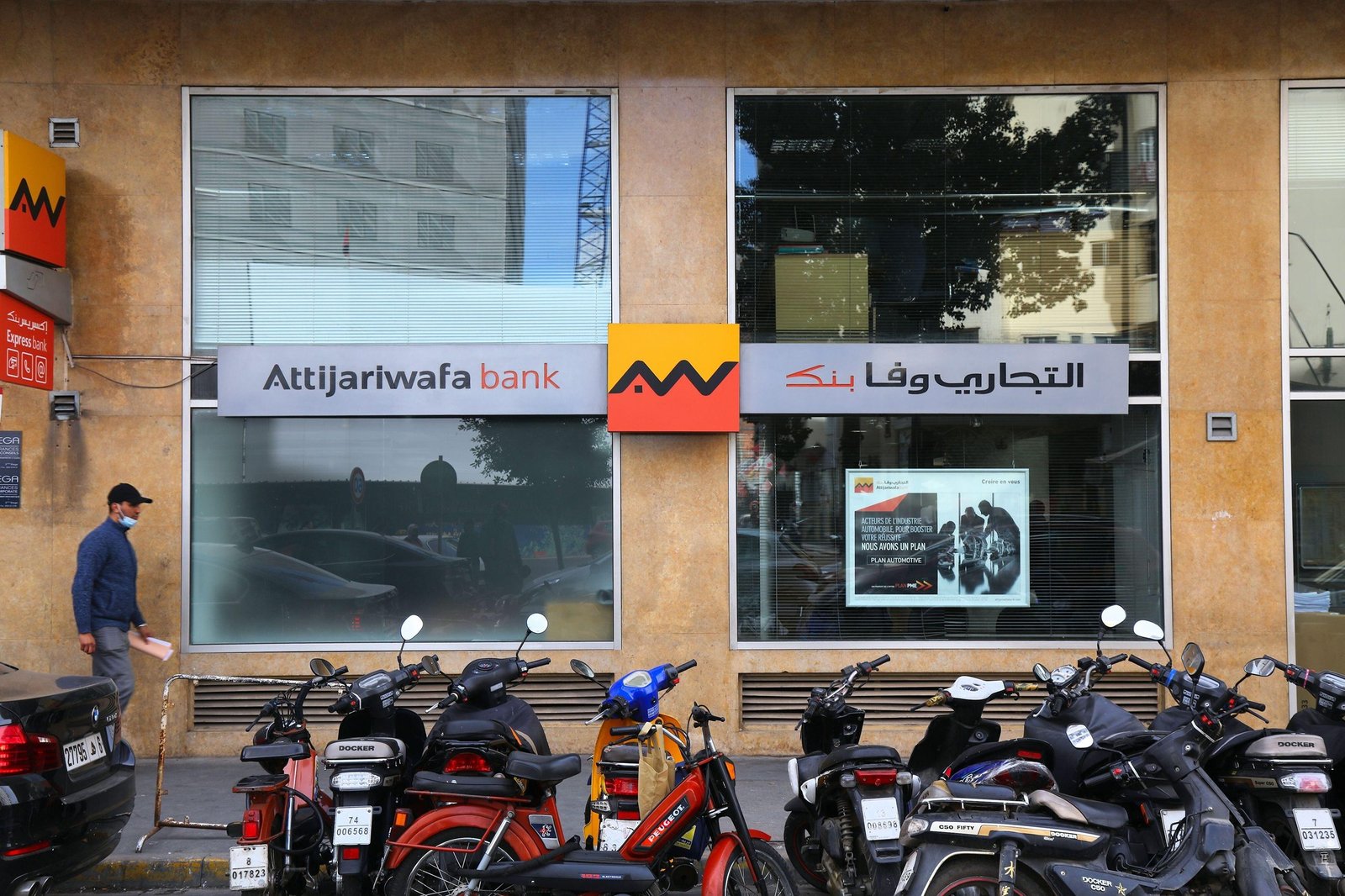
Attijariwafa Bank, Banque Centrale Populaire and Bank of Africa account for nearly two-thirds of the industry’s total assets, S&P Global data shows. Attijariwafa is also Africa’s seventh-largest bank by assets, operating in 25 countries in Africa and Europe including Egypt, Nigeria and Tunisia.
“Moroccan banks and companies generally are more focused on the home market now than they were three to four years ago when they were venturing into West Africa or other North African countries,” said Simon Kitchen, a founding partner and macro-strategist at London’s Emerging & Frontier Capital. “There’s a lot going on at home in terms of rising levels of investment and the economy is beginning to hum.”
The sector’s loan book expanded 5 percent to MAD1 trillion ($110 billion) in the 12 months to June 30, Attijariwafa’s latest earnings presentation shows, while deposits increased 10 percent to MAD1.3 trillion over the same period.
More specifically, corporate lending rose 6 percent to MAD660 billion and retail loans grew 1 percent to MAD292 billion.
Corporate loan growth will exceed that of retail borrowing, said Ranya Gnaba, a financial analyst at research company Alpha Mena in Tunis, partly as a result of extensive infrastructure spending ahead of co-hosting the 2030 football World Cup.
“[This] is driving strong demand for equipment and project financing, with the construction and tourism sectors at the forefront,” she said. “Attijariwafa Bank is among the best-positioned domestic players to finance large-scale infrastructure projects – stadiums, high-speed rail [and] airport expansions. Its strong project finance expertise enables the bank to structure complex transactions that few local peers can underwrite on a standalone basis.”
This status is reflected in Attijariwafa originating 62 percent of all new corporate loans in the 12 months to June 30, 2025.
From a retail lending perspective, a direct housing subsidy programme underpins consumer demand for mortgages and helps offset the impact of elevated property prices.
Interest rates have fallen from 3 percent in mid-2024 to 2.25 percent following three reductions by the central bank, the most recent being in March 2025.
Further interest rate cuts are likely in the first half of 2026, which, along with declining inflation makes prospective borrowers more willing to borrow, said Kitchen: “So, the outlook is good in terms of loan growth. Companies want to borrow, and banks have the liquidity to lend.”
The Moroccan banking sector’s loan-to-deposit ratio is about 92 percent, a 17-year low.
“The sector is liquid, which is normally good for banks’ profitability in that they can manage net interest margins – banks aren’t having to offer higher savings rates to attract deposits,” said Kitchen.
“Credit quality will probably improve also. Morocco banks have lower profitability and returns on equity than lenders in many other frontier markets, but Morocco provides investors with lower currency exchange rate risk and there aren’t the bank stresses that sometimes happen elsewhere.”
Attijariwafa made net profit of MAD6.7 billion in the nine months to September 30 2025, up 20 percent year on year, as net interest income and fees and commissions rose over the same period.
Further reading:
Further reading:
The bank’s revenue and profit growth mostly come from its domestic business, said Gnaba.
“A favourable cost structure and sound asset quality continue to underpin the bank’s earnings generation capacity,” she said.
Also helping banks’ profitability is relatively benign non-performing loan levels, which are unlikely to “deteriorate materially” in 2026, said Gnabry.
Because of capital controls, Moroccan pension funds invest almost entirely domestically, which has kept listed company valuations elevated, said Kitchen.
“For foreign investors, if they get over the valuation issue, they look at Attijariwafa as the blue-chip bank,” he added. “If you want to play the Moroccan economy and the investment boom that’s developing and is likely to continue until the end of the decade, Attijariwafa would be an excellent way to get exposure to that.”
